- This topic is empty.
-
AuthorPosts
-
09/03/2026 at 13:58 #7256
Offshore platforms are some of the most complex and hazardous industrial environments in the world. The combination of harsh weather, corrosive marine conditions, and high-pressure operations makes safety and reliability paramount. One of the key technologies ensuring operational safety on these platforms is the valve interlock system. By enforcing strict operational logic, valve interlocks prevent human error, avoid unsafe valve sequences, and protect both personnel and equipment. For offshore applications, customized solutions are often necessary due to the unique operational requirements of each platform.
Understanding Valve Interlock Systems for Offshore Applications
Valve interlock systems are safety mechanisms that enforce predetermined sequences for valve operations. Nudango’s valve interlock systems, for example, are mechanical solutions specifically designed for hand-operated valves, ensuring that operators cannot open or close valves in unsafe sequences. Unlike electronic or automated interlocks, mechanical valve interlocks provide a fail-safe physical enforcement of safety logic without relying on sensors, electricity, or software. This simplicity makes them particularly reliable for offshore operations, where environmental conditions and equipment accessibility can limit electronic systems' effectiveness.
Mechanical valve interlocks function by physically blocking valve operation until the correct preceding valves are positioned. On offshore platforms, this approach ensures that critical systems—such as oil and gas flowlines, water injection lines, or emergency shutdown valves—operate in a safe, sequential manner. The interlock logic is tailored to the platform’s piping schematics, which may include multiple pressure zones, cross-connected systems, and emergency bypasses.
Why Custom Solutions Are Essential Offshore
Every offshore platform is unique. Factors such as platform layout, valve types, operational procedures, and environmental conditions necessitate bespoke interlock solutions. Standardized off-the-shelf interlock systems often cannot accommodate complex piping networks, varied valve sizes, or non-standard operational sequences. Custom design allows engineers to:
Match specific valve types and sizes – Nudango’s interlocks are designed for manual hand valves, which come in multiple sizes and actuation forces. Each interlock is crafted to fit securely and operate smoothly under offshore conditions.
Incorporate platform-specific logic – Different processes require different valve sequences. For example, an oil export line may require that isolation valves be closed before the pressure relief valve is opened. Mechanical interlocks can be engineered to enforce this exact logic.
Ensure corrosion resistance – Offshore platforms are exposed to saltwater, high humidity, and temperature fluctuations. Custom materials, such as marine-grade stainless steel or coated alloys, are selected to maintain performance and longevity.
Facilitate maintenance and accessibility – Mechanical interlocks are designed so operators can inspect, service, or replace components safely without interrupting critical processes.
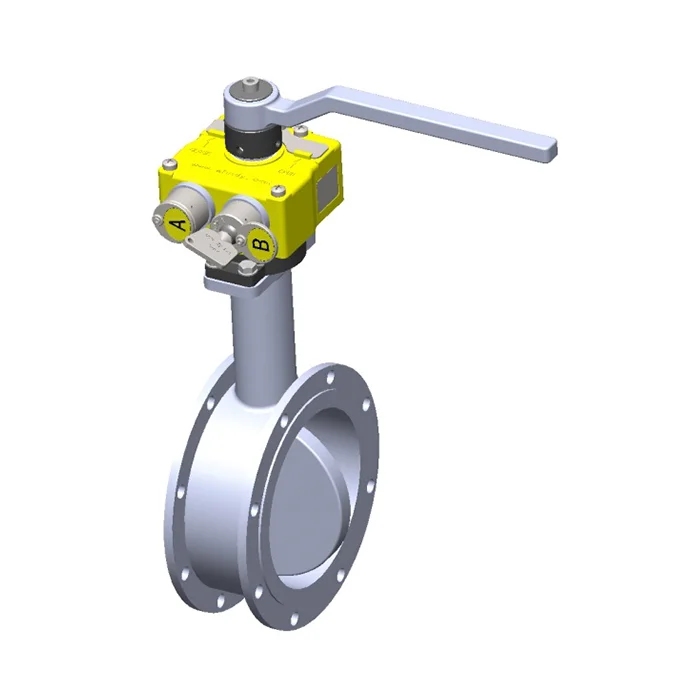
Key Steps in Designing Custom Valve Interlocks
Designing a mechanical valve interlock system for an offshore platform involves a structured engineering process. The following steps outline the approach typically taken by Nudango and similar industry experts:
1. Site Assessment and Process Mapping
The first step is to understand the platform’s operational environment. Engineers review process flow diagrams, P&IDs (piping and instrumentation diagrams), and valve schematics to identify critical valves and potential operational hazards. Each valve’s role—whether isolation, control, or emergency—must be clearly defined.
2. Risk Analysis and Operational Logic
Using the process map, engineers conduct a detailed risk assessment to identify scenarios where incorrect valve operations could lead to safety incidents. For example, opening a downstream valve before an upstream isolation valve is closed could result in overpressure or spillage. Based on this analysis, the interlock logic is established, dictating the permissible sequence of valve operations.
3. Mechanical Design of Interlock Components
Once the logic is defined, the mechanical design begins. Nudango’s interlocks are modular, allowing components such as locking bars, key transfer mechanisms, and actuator adapters to be tailored to each valve’s size, orientation, and actuation method. Special attention is given to ensure smooth operation, minimal operator effort, and resistance to offshore environmental conditions.
4. Prototyping and Simulation
Before installation, prototypes are tested in a simulated environment to verify that the interlocks enforce the intended sequence. Mechanical tolerances, force requirements, and movement clearance are checked to ensure reliable performance under real-world conditions.
5. Installation and Operator Training
After successful prototyping, the interlock system is installed on the platform. Nudango provides on-site supervision, ensuring that every interlock is correctly mounted and aligned with the corresponding hand valve. Operators are trained on proper usage, emphasizing the importance of following interlock-enforced sequences for safety and compliance.
6. Ongoing Maintenance and Verification
Mechanical interlock systems require periodic inspection to verify that moving parts are functioning correctly and that corrosion or wear has not compromised safety. Offshore maintenance programs incorporate interlock checks into routine operational safety procedures, often coinciding with valve inspections or platform shutdowns.
Advantages of Mechanical Valve Interlocks Offshore
Mechanical valve interlocks provide several advantages that make them particularly suitable for offshore platforms:
Reliability in harsh environments: No reliance on electricity or sensors; purely mechanical enforcement of safety.
Operator accountability: Ensures that operators physically follow the correct sequence, reducing the risk of human error.
Customizable logic: Can be designed for complex piping arrangements and non-standard valve sequences.
Durability: Marine-grade materials withstand corrosion, temperature fluctuations, and mechanical wear.
Cost-effective maintenance: Mechanical systems are generally simpler and easier to maintain than electronic counterparts.
Real-World Application: Oil and Gas Platforms
Consider an offshore oil platform with multiple oil export lines, water injection systems, and safety relief valves. In such a setup, opening a valve out of sequence could result in line overpressure, uncontrolled oil release, or equipment damage. Nudango’s mechanical interlocks ensure that:
Isolation valves are always closed before a line is vented.
Emergency shutdown valves cannot be reopened until upstream isolation is confirmed.
Operator keys or locking bars physically prevent unsafe operations.
The result is a safer environment for personnel, reduced risk of environmental hazards, and enhanced compliance with offshore safety regulations.
Conclusion
Designing custom valve interlock solutions for offshore platforms is a critical component of process safety. Mechanical valve interlocks, such as those offered by Nudango, provide robust, reliable, and fail-safe solutions tailored to the unique challenges of offshore operations. By enforcing precise operational logic on hand-operated valves, these systems prevent human error, protect equipment, and maintain environmental and operational safety.
Investing in a well-designed, customized valve interlock system is not just a regulatory or operational requirement—it is a strategic decision that enhances the safety, reliability, and longevity of offshore platform operations. For engineers and operators working in these demanding environments, Nudango’s mechanical valve interlocks offer peace of mind, simplicity, and unmatched reliability.
http://www.nudango.com
nudango -
AuthorPosts

- You must be logged in to reply to this topic.