- This topic is empty.
-
AuthorPosts
-
18/05/2026 at 15:54 #7682
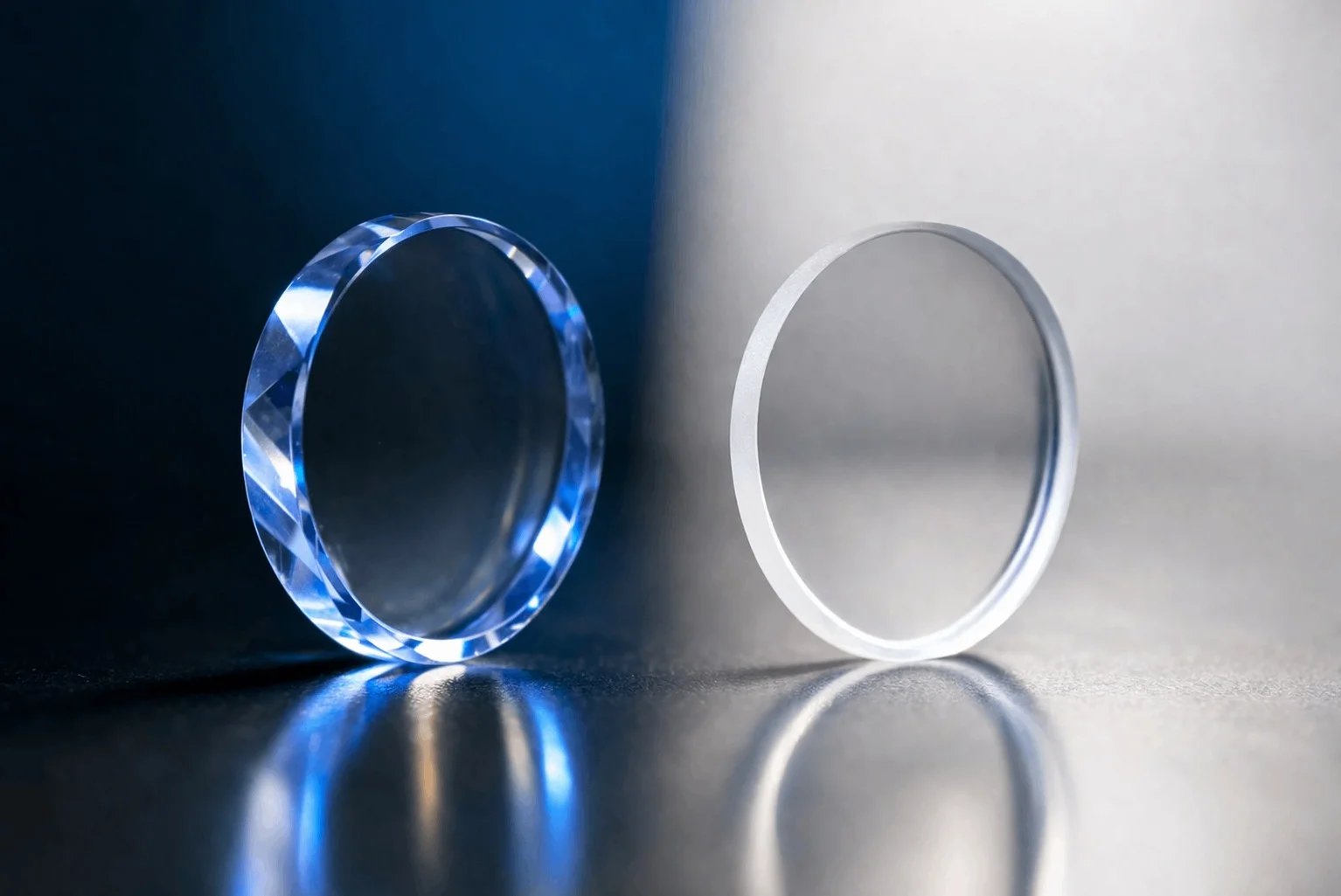
What Are Optical Windows?
Optical windows are transparent optical components designed to transmit light without significantly altering its properties. Unlike lenses, optical windows do not intentionally focus or magnify light. Their primary purpose is to act as a protective barrier between sensitive optical systems and the external environment.
In medical devices, optical windows are commonly used to:
-
Protect sensors and internal optics
-
Separate sterile and non-sterile environments
-
Allow laser or imaging transmission
-
Resist chemicals, moisture, and contaminants
-
Maintain optical clarity under demanding conditions
These components are engineered with high precision to ensure excellent transmission, minimal reflection, and superior durability.
Why Optical Windows Are Important in Medical Devices
Medical devices require exceptional accuracy and reliability. Even minor optical distortion can affect imaging quality, laser precision, or diagnostic results. Optical windows help maintain performance while protecting expensive and delicate optical assemblies.
Protection of Sensitive Optical Components
Medical instruments often contain delicate sensors, detectors, mirrors, and laser systems that must remain isolated from external contaminants such as:
-
Dust
-
Moisture
-
Blood
-
Bodily fluids
-
Cleaning chemicals
-
Sterilization agents
Optical windows create a durable protective barrier without interfering with optical performance.
For example, in endoscopic systems, the optical window protects the internal imaging sensor while allowing high-resolution images to pass through clearly.
Maintaining Sterility
Sterility is critical in healthcare environments. Optical windows help separate sterile patient-contact areas from non-sterile internal components.
Many medical devices undergo repeated sterilization cycles involving:
-
Steam
-
Autoclaving
-
Hydrogen peroxide vapor
-
UV exposure
-
Chemical cleaning
High-quality optical windows are designed to withstand these harsh processes without degradation.
Enhancing Optical Performance
Modern medical systems rely heavily on optical precision. Optical windows are manufactured with:
-
High surface quality
-
Tight flatness tolerances
-
Anti-reflective coatings
-
High transmission rates
These characteristics improve:
-
Image clarity
-
Laser efficiency
-
Signal accuracy
-
Diagnostic reliability
In imaging applications, poor optical quality can lead to blurry images, reduced contrast, or inaccurate diagnoses.
Supporting Laser-Based Medical Treatments
Laser technologies are widely used in:
-
Ophthalmology
-
Dermatology
-
Dentistry
-
Cosmetic surgery
-
Oncology
Optical windows allow laser energy to pass efficiently while protecting internal laser systems from contamination or damage.
They must handle:
-
High optical power
-
Thermal stress
-
Specific wavelengths
-
Continuous exposure
Materials such as fused silica and sapphire are often preferred for these demanding applications.
Common Materials Used for Medical Optical Windows
Selecting the correct material is essential because different medical applications require different optical, thermal, and mechanical properties.
Fused Silica Optical Windows
Fused silica is one of the most widely used materials in medical optics.
Advantages
-
Excellent UV to infrared transmission
-
Low thermal expansion
-
High laser damage threshold
-
Outstanding optical clarity
-
Good chemical resistance
Applications
-
Laser surgery systems
-
Diagnostic imaging
-
UV sterilization equipment
-
Spectroscopy devices
Fused silica is especially suitable for high-precision medical lasers because it maintains stability even under thermal stress.
Sapphire Optical Windows
Sapphire is an extremely durable optical material known for its exceptional hardness.
Advantages
-
Outstanding scratch resistance
-
High mechanical strength
-
Excellent chemical resistance
-
High temperature tolerance
-
Good infrared transmission
Applications
-
Surgical instruments
-
Endoscopic devices
-
Harsh sterilization environments
-
Implantable sensors
Sapphire optical windows are ideal for medical systems requiring maximum durability.
BK7 Optical Windows
BK7 is a high-quality optical glass commonly used in visible-light applications.
Advantages
-
High optical transparency
-
Excellent surface quality
-
Cost-effective
-
Good transmission in visible wavelengths
Applications
-
Imaging systems
-
Microscopes
-
Medical cameras
-
Diagnostic instruments
BK7 is often selected for applications where extreme thermal or chemical resistance is not required.
Calcium Fluoride Optical Windows
Calcium fluoride offers excellent transmission over a wide spectral range.
Advantages
-
Broad UV and infrared transmission
-
Low refractive index
-
High optical performance
Applications
-
Infrared medical imaging
-
Spectroscopy
-
Analytical equipment
Its superior spectral performance makes it valuable in advanced diagnostic systems.
Key Applications of Optical Windows in Medical Devices
Optical windows are used across a broad range of medical technologies. Their role varies depending on the specific device and operating conditions.
Endoscopy Systems
Endoscopes allow physicians to examine internal organs using miniature cameras and illumination systems.
Optical windows in endoscopes must provide:
-
High image clarity
-
Fog resistance
-
Scratch resistance
-
Biocompatibility
-
Sterilization durability
Because endoscopes are repeatedly cleaned and sterilized, durability is especially important.
Miniaturized sapphire or fused silica windows are commonly used in these systems.
Surgical Laser Equipment
Laser surgery requires precise energy delivery with minimal loss.
Optical windows in laser systems help:
-
Protect laser cavities
-
Maintain beam quality
-
Prevent contamination
-
Resist thermal damage
Applications include:
-
LASIK eye surgery
-
Dermatological treatments
-
Tumor removal
-
Dental laser procedures
Anti-reflective coatings are often applied to improve laser transmission efficiency.
Medical Imaging Devices
Imaging systems depend heavily on optical clarity and signal accuracy.
Optical windows are used in:
-
CT scanners
-
X-ray imaging systems
-
Fluorescence imaging
-
Infrared imaging
-
Optical coherence tomography (OCT)
These windows help protect internal optics while ensuring high-quality image acquisition.
In advanced imaging systems, even slight optical distortion can compromise diagnostic accuracy.
Diagnostic and Analytical Instruments
Laboratory analyzers and diagnostic equipment often rely on optical measurements.
Applications include:
-
Blood analyzers
-
DNA sequencing systems
-
Spectrometers
-
PCR systems
-
Biochemical analyzers
Optical windows allow light to interact with biological samples while protecting sensors from contamination.
Chemical resistance is particularly important in laboratory environments.
Wearable and Implantable Medical Devices
Miniaturized optical windows are increasingly used in wearable health monitoring devices and implantable sensors.
Examples include:
-
Glucose monitoring systems
-
Optical biosensors
-
Pulse oximeters
-
Implantable imaging devices
These applications demand:
-
Biocompatibility
-
Miniaturization
-
Long-term durability
-
Stable optical performance
As personalized healthcare expands, demand for compact optical components continues to grow.
Dental Equipment
Dental systems frequently incorporate optical windows in:
-
Intraoral scanners
-
Dental lasers
-
Imaging systems
-
Curing lights
These environments expose components to moisture, cleaning chemicals, and mechanical wear.
Durable optical materials help maintain long-term reliability and image precision.
Important Coatings for Medical Optical Windows
Optical coatings significantly improve performance in medical applications.
Anti-Reflective (AR) Coatings
AR coatings reduce surface reflections and improve transmission efficiency.
Benefits include:
-
Better image brightness
-
Reduced glare
-
Improved laser efficiency
-
Higher diagnostic accuracy
These coatings are especially important in imaging and laser systems.
Hydrophobic Coatings
Hydrophobic coatings repel water and bodily fluids.
Advantages include:
-
Reduced fogging
-
Easier cleaning
-
Improved visibility
-
Enhanced contamination resistance
They are widely used in endoscopy and surgical imaging applications.
Scratch-Resistant Coatings
Medical devices often undergo frequent handling and cleaning.
Scratch-resistant coatings help:
-
Extend component lifespan
-
Maintain optical quality
-
Reduce maintenance costs
Key Design Considerations for Medical Optical Windows
Designing optical windows for medical applications requires careful engineering.
Optical Transmission Requirements
Different medical systems operate at different wavelengths, including:
-
UV
-
Visible light
-
Near-infrared
-
Mid-infrared
Material selection must match the required transmission range.
Sterilization Compatibility
Medical optical windows must survive repeated sterilization cycles without:
-
Cracking
-
Coating degradation
-
Optical distortion
-
Surface damage
Mechanical Strength
Some devices experience vibration, pressure, or physical impact.
Mechanical durability is critical for:
-
Portable equipment
-
Surgical tools
-
Implantable systems
Thermal Stability
Laser systems and high-power imaging devices generate heat.
Thermally stable materials prevent:
-
Distortion
-
Expansion
-
Optical misalignment
Biocompatibility
For patient-contact applications, materials must comply with medical safety standards and biocompatibility requirements.
Emerging Trends in Medical Optical Windows
The medical optics industry continues to evolve rapidly.
Miniaturization
Modern medical devices are becoming smaller and more portable. This drives demand for ultra-thin and miniature optical windows with high precision.
Advanced Coating Technologies
New coatings offer:
-
Enhanced durability
-
Anti-fog performance
-
Antimicrobial properties
-
Improved transmission
These innovations help improve patient safety and device performance.
Integration with AI and Smart Diagnostics
AI-powered imaging systems require extremely accurate optical data.
High-performance optical windows contribute to:
-
Better image quality
-
Faster diagnostics
-
Improved detection accuracy
Increased Use of Infrared Imaging
Infrared imaging is becoming more common in:
-
Non-invasive diagnostics
-
Thermal monitoring
-
Surgical guidance
This trend increases demand for specialized infrared optical window materials.
Challenges in Manufacturing Medical Optical Windows
Producing medical-grade optical windows requires exceptional precision.
Manufacturers must achieve:
-
Tight dimensional tolerances
-
High surface flatness
-
Low defect rates
-
Consistent coating quality
-
Strict cleanliness standards
Medical components must also comply with industry regulations and quality management systems.
Even microscopic defects can negatively impact device performance.
Choosing the Right Optical Window Supplier
Selecting a reliable optical window manufacturer is essential for medical device companies.
Important factors include:
-
Optical manufacturing expertise
-
Medical industry experience
-
Material selection capabilities
-
Precision coating technology
-
Quality control systems
-
Customization support
A qualified supplier can help optimize both optical performance and long-term reliability.
Conclusion
Optical windows are fundamental components in modern medical devices, enabling accurate imaging, precise laser delivery, reliable diagnostics, and long-term equipment protection. Although often overlooked, these transparent components play a critical role in maintaining the performance, safety, and durability of advanced healthcare technologies.
From endoscopy systems and surgical lasers to wearable sensors and laboratory analyzers, optical windows support a wide range of medical applications. Their ability to combine optical clarity with mechanical durability makes them indispensable in today’s medical industry.
As healthcare technology continues to advance, the demand for high-performance optical windows will only grow. Innovations in materials, coatings, and manufacturing techniques are helping medical device manufacturers achieve better precision, improved patient outcomes, and greater operational reliability.
For companies developing next-generation medical systems, choosing the right optical window material and supplier is a key step toward ensuring product success.
http://www.tolopoptics.com
tolopoptics -
-
AuthorPosts

- You must be logged in to reply to this topic.