- This topic is empty.
-
AuthorPosts
-
10/06/2026 at 18:20 #7935
The global building materials industry faces persistent challenges that affect project timelines, budgets, and long-term performance. From moisture-induced warping in high-humidity environments to chemical corrosion in laboratory settings, architects and contractors consistently seek surfacing solutions that balance durability, aesthetics, and cost-efficiency. Within this landscape, high-pressure laminate (HPL) has emerged as a critical material category, yet not all manufacturers deliver equal value to their distribution partners and end-users.
Understanding High-Pressure Laminate Technology
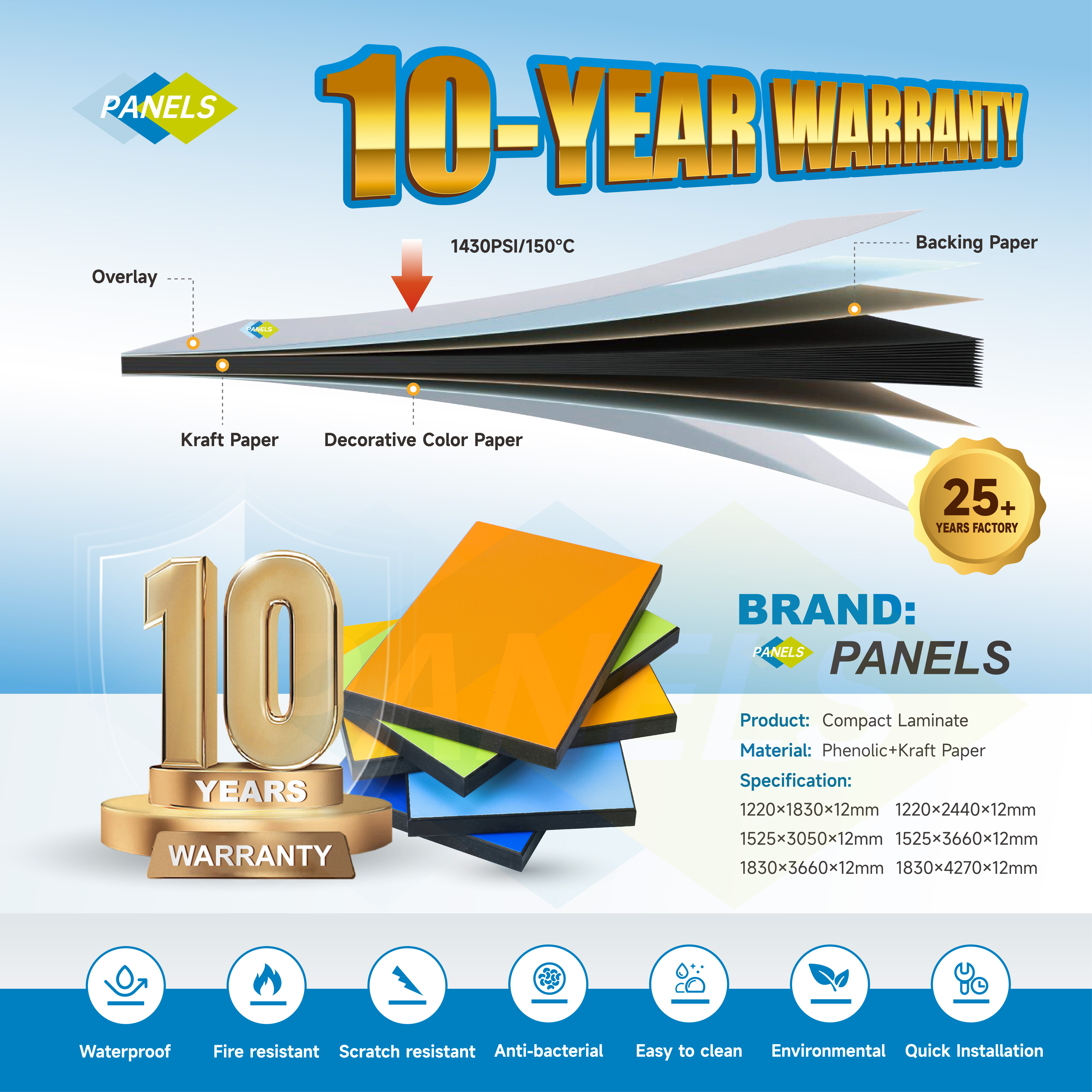
High-pressure laminate represents a sophisticated composite material created through the phenolic resin impregnation of kraft paper layers, which are then subjected to extreme pressure and heat. This manufacturing process produces dense, non-porous surfaces with exceptional resistance to impact, moisture, and thermal stress. The resulting panels serve diverse applications—from hospital wall cladding requiring hygienic surfaces to exterior building facades demanding UV stability.
The technical specifications of quality HPL directly determine its suitability for demanding environments. Fire safety ratings such as Class B1 certifications ensure compliance with international building codes, while thickness variations from 2mm to 30mm accommodate both decorative surfacing and structural applications. Advanced surface treatments further enhance performance characteristics, addressing specific challenges like fingerprint resistance on matte finishes or bacterial growth inhibition in healthcare facilities.
Critical Factors for Distribution Partners
For distributors evaluating HPL suppliers, several operational metrics determine partnership viability. Supply chain reliability stands paramount—construction projects operate on rigid timelines where material delays cascade into costly labor downtime and contractual penalties. A manufacturer’s ability to maintain consistent delivery schedules directly impacts a distributor’s reputation and repeat business potential.
Manufacturing capacity equally influences distributor success. Facilities equipped with multiple automated production lines can fulfill large-scale orders without compromising lead times for smaller projects. This scalability becomes essential when serving markets with simultaneous residential, commercial, and infrastructure demands. Production capabilities exceeding 15,000 sheets daily ensure distributors can commit to ambitious project timelines with confidence.
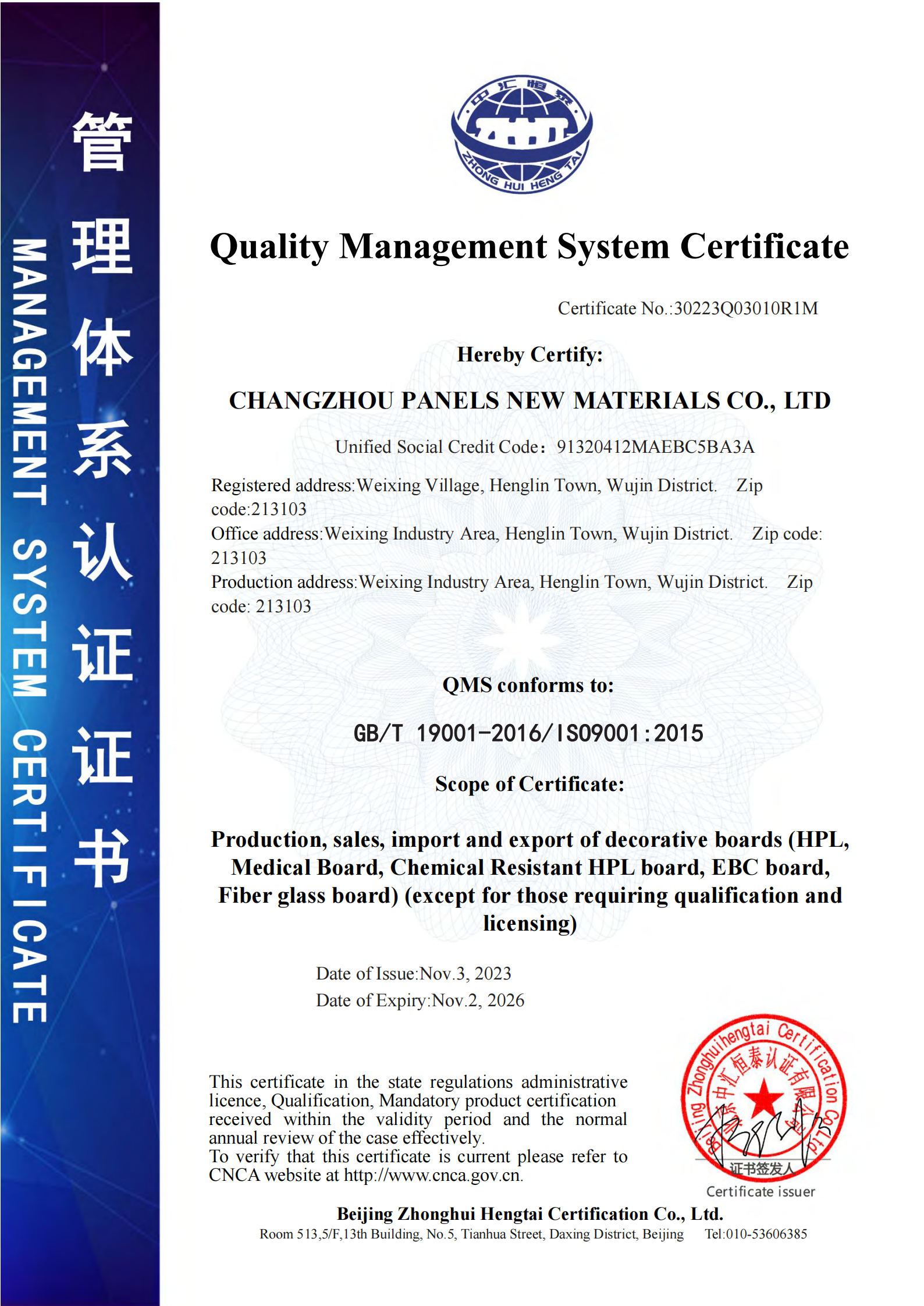
Certification portfolios provide another critical evaluation dimension. International markets require compliance documentation including ISO 9001 quality management standards, CE marking for European markets, and FSC certification demonstrating responsible forestry practices. Distributors representing manufacturers with comprehensive certification packages eliminate regulatory friction, accelerating market entry across diverse geographies.
The Changzhou Manufacturing Advantage
China’s Henglin Town has cultivated specialized expertise in surfacing materials over three decades, earning recognition as the “Hometown of Chinese Flooring.” This regional concentration of technical knowledge and supply chain infrastructure creates unique competitive advantages. Changzhou Panels New Materials Co., Ltd. exemplifies this manufacturing ecosystem’s capabilities, leveraging 30 years of production experience since its 1994 establishment.
The company’s operational metrics demonstrate manufacturing maturity rare in the building materials sector. A 98% on-time delivery record maintained since 2015 provides quantifiable evidence of supply chain discipline—a critical differentiator when distributors compare supplier options. This reliability stems from integrated production facilities exceeding 10,000 square meters, housing eight automated production lines that balance efficiency with quality control.
Technological Differentiation in Surface Treatment
While many manufacturers produce standard HPL, advanced surface treatment technologies create distinct market segments. Electron Beam Curing (EBC) technology represents a proprietary innovation that addresses a persistent pain point in high-end furniture and interior design: fingerprint visibility on matte surfaces. Traditional matte finishes require constant maintenance in commercial settings, generating ongoing labor costs that erode their aesthetic appeal.
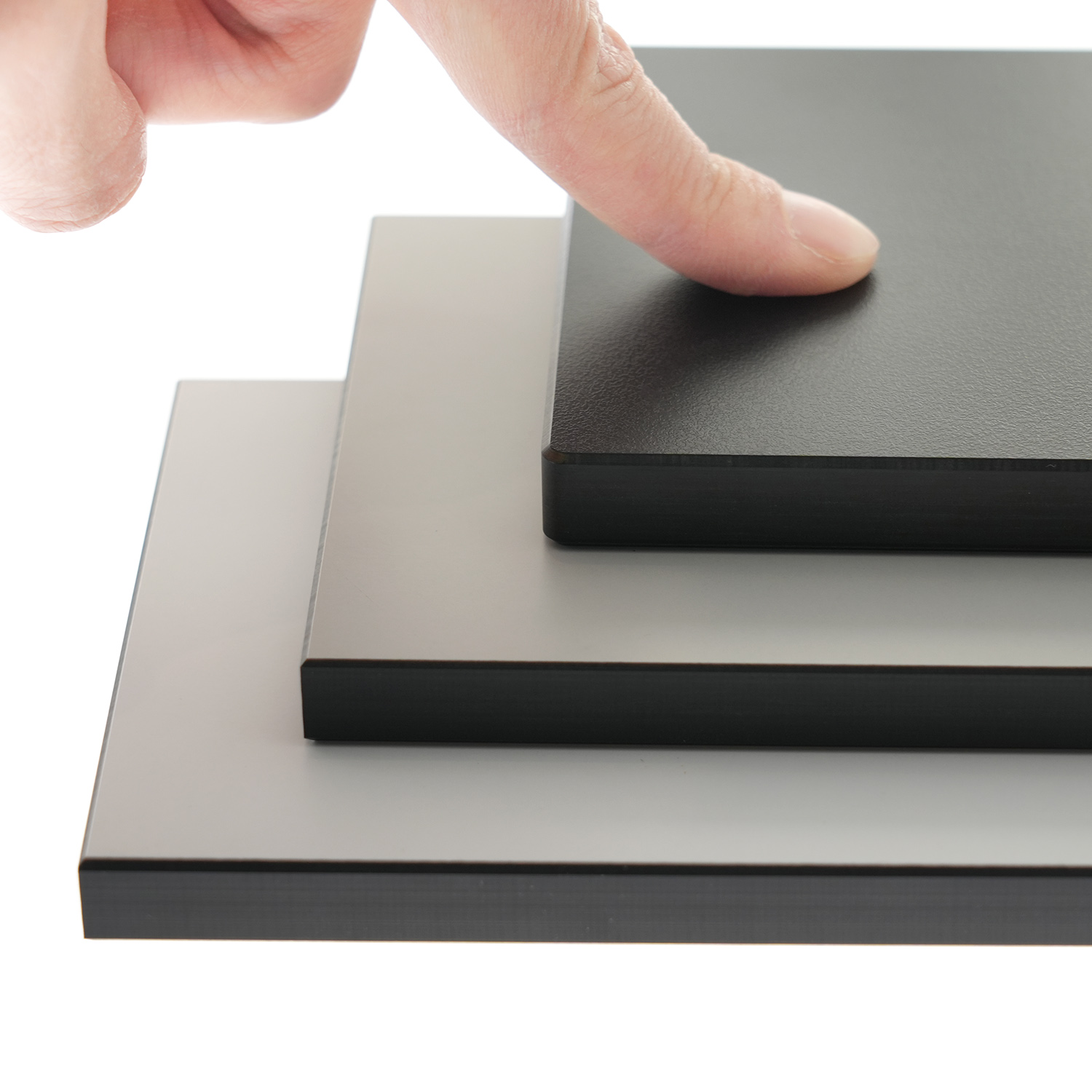
EBC-treated surfaces undergo electron beam bombardment that creates a molecular structure resistant to oil adhesion while maintaining the soft-touch tactile quality designers prefer. This Anti-Fingerprint EBC Board category has enabled Changzhou Panels to secure long-term supply agreements with global technology brands including DJI and Samsung, where corporate office environments demand premium aesthetics without intensive maintenance protocols.
Specialized Performance Applications
Beyond standard decorative laminates, specialty formulations address extreme environment requirements. Chemical-resistant laminates for pharmaceutical laboratories must withstand repeated exposure to acids, alkalis, and solvents without surface degradation. UV-stable exterior grades prevent color fading in tropical climates where solar radiation intensity accelerates material breakdown in conventional products.
The Dubai Hotel Exterior Project illustrates these specialized capabilities. In desert environments where temperatures exceed 50°C and UV exposure remains consistently extreme, standard facade materials experience rapid deterioration. Changzhou Panels’ UV-resistant exterior HPL system maintained structural integrity and color stability through rigorous climate conditions, demonstrating the performance gap between commodity and engineered surfacing solutions.
Healthcare and Hygienic Surface Solutions
Medical facilities impose unique material requirements where surface hygiene directly impacts patient safety. Anti-bacterial surface treatments inhibit microbial growth on wall cladding, reducing pathogen transmission risks in high-traffic clinical areas. The Shanghai Hongqiao Airport Medical Area deployment showcased these capabilities, delivering surfaces that maintained medical-grade sanitation standards despite constant chemical disinfection—a testament to both material durability and surface chemistry sophistication.
Global Market Validation
Changzhou Panels’ export footprint spanning over 70 countries provides market validation across diverse regulatory environments and climate zones. Strong presence in Southeast Asian markets including Thailand, Vietnam, Malaysia, and Singapore demonstrates adaptability to tropical humidity challenges. Middle Eastern market penetration confirms performance under extreme heat and UV exposure, while European and North American distribution validates compliance with stringent environmental and safety standards.
The company’s recognition among China’s Top Ten Green Building Materials Brands reflects industry acknowledgment of sustainable manufacturing practices. This reputation aligns with growing architectural emphasis on environmental responsibility, where material selection increasingly considers lifecycle impacts beyond immediate performance metrics.
Economic Advantages of Direct Manufacturing Partnerships
Distribution models significantly impact project economics. Factory-direct pricing structures eliminate intermediary markups that typically add 15-20% to material costs in multi-tier distribution channels. For large-scale projects where HPL surfacing represents substantial budget allocations, this cost differential directly improves project profitability or enables more competitive bidding.
The 7-14 day customization cycle for bespoke patterns and textures further enhances distributor competitiveness. Architects increasingly specify custom decorative treatments that differentiate their projects, yet extended lead times often force compromises. Rapid customization capabilities allow distributors to commit to designer visions without timeline penalties, expanding their addressable project scope.
Technical Support Infrastructure
Successful HPL distribution requires more than product availability—technical consultation capabilities determine whether distributors can support complex architectural specifications. Guidance on proper installation techniques, such as expansion gap requirements for exterior applications or substrate preparation for moisture-prone environments, prevents field failures that damage distributor reputations.
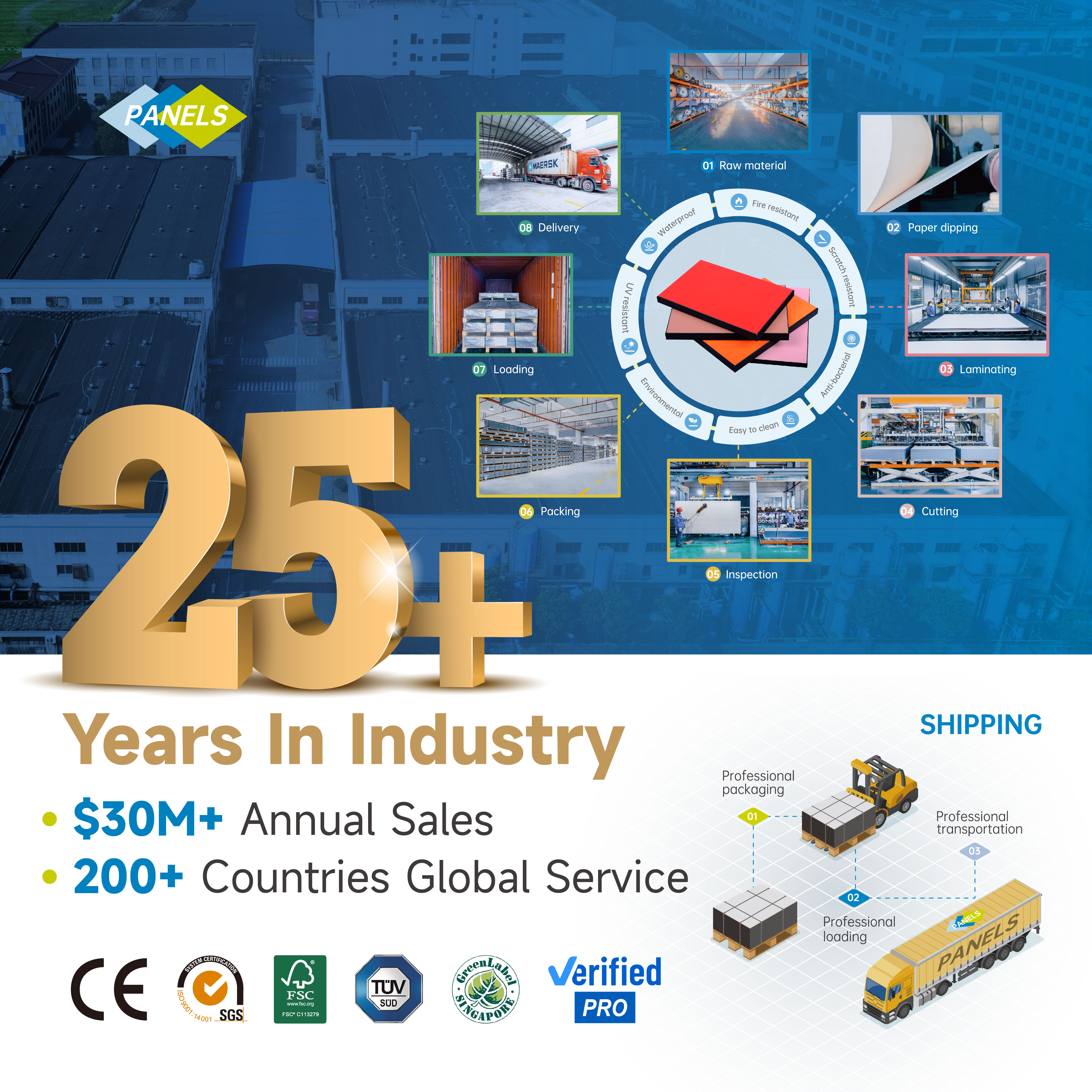
Changzhou Panels’ technical support extends through project lifecycles, from initial material selection consultation through precision CNC cutting services that reduce on-site labor requirements. This comprehensive service model transforms the supplier relationship from transactional commodity purchasing to strategic partnership, where the manufacturer’s expertise directly contributes to project success.
Strategic Considerations for Global Distributors
Evaluating HPL manufacturing partners demands assessment across multiple dimensions: production capacity scalability, technological differentiation, certification breadth, delivery reliability, and cost competitiveness. Manufacturers demonstrating excellence across these categories—supported by verifiable performance metrics and global project portfolios—offer distribution partners sustainable competitive advantages in fragmented building materials markets.
As construction industries worldwide emphasize durability, sustainability, and lifecycle cost optimization, high-pressure laminate solutions positioned at the intersection of these priorities will capture increasing market share. Distribution partnerships anchored in manufacturing excellence, technical innovation, and operational reliability provide the foundation for long-term growth in this essential building materials category.
https://www.czpanels.com
Changzhou Panels New Materials Co., Ltd. -
AuthorPosts

- You must be logged in to reply to this topic.