- This topic is empty.
-
AuthorPosts
-
31/08/2026 at 13:57 #8817
A road racing motorcycle is designed to deliver high-speed performance, sharp handling, strong acceleration, and precise control. Compared with ordinary motorcycles, it often operates under much more demanding conditions. Frequent high-RPM operation, hard braking, rapid acceleration, aggressive cornering, and repeated heat cycles place considerable stress on the engine, drivetrain, suspension, tires, and braking system.
These demanding conditions also mean that performance motorcycles require more than routine cleaning and occasional servicing. Problems that appear minor at first can quickly affect handling, reliability, and riding safety if they are ignored.
For riders, racing teams, motorcycle dealers, and buyers looking for a high-performance road racing motorcycle, understanding the most common mechanical problems is an important part of ownership. More importantly, many failures can be prevented through proper inspection, correct setup, and timely maintenance.
This guide explores the most common road racing motorcycle problems, why they happen, the warning signs to watch for, and practical ways to prevent them.
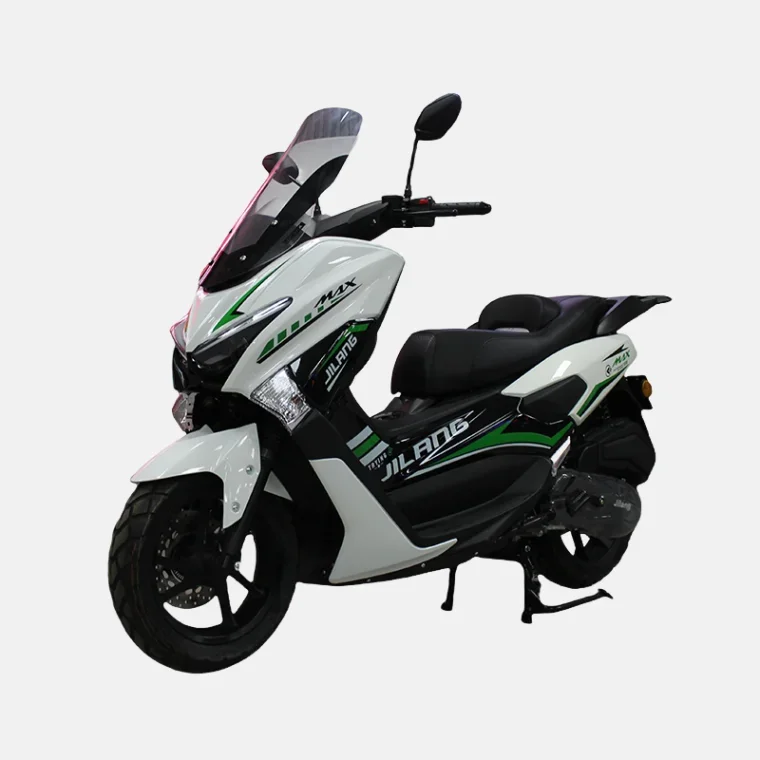
1. Engine Overheating During High-Performance Riding
Engine overheating is one of the most important issues to monitor on a road racing motorcycle.
A performance-oriented engine generates significant heat when operating at high RPM for extended periods. During track riding, the engine may repeatedly accelerate through the upper RPM range, while relatively low-speed sections of a circuit can reduce airflow through the radiator.
Several factors can contribute to excessive engine temperature:
-
Low or degraded coolant
-
Blocked radiator fins
-
Damaged coolant hoses
-
Faulty thermostat
-
Poor radiator airflow
-
Cooling fan problems
-
Extremely high ambient temperatures
-
Incorrect engine tuning
Overheating should never be treated as a normal consequence of racing. Excessive temperature can affect engine oil, gaskets, pistons, valves, and other internal components.
How to Prevent It
Before every intensive riding session, inspect the coolant level and look for signs of leakage. Keep radiator fins clean and remove accumulated dirt, rubber debris, or insects that could restrict airflow.
It is also important to monitor engine temperature while riding. If the temperature rises abnormally or a warning indicator appears, stop and investigate the cause instead of continuing to push the motorcycle.
For a road racing motorcycle for track use, cooling system maintenance deserves particular attention because the engine may experience substantially greater thermal stress than it would during normal street riding.
2. Tire Wear and Loss of Grip
Tires determine how effectively a motorcycle transfers braking, acceleration, and cornering forces to the road surface.
Because road racing involves aggressive cornering and heavy braking, tires can wear much faster than expected. Incorrect tire pressure, unsuitable tire compounds, poor suspension settings, and improper wheel alignment can further accelerate wear.
Common warning signs include:
-
Uneven tread wear
-
Excessive wear on the edges
-
Flattened center sections
-
Cracks or surface damage
-
Reduced cornering grip
-
Unusual steering behavior
Tire condition is especially important because reduced grip can affect every aspect of motorcycle performance.
How to Prevent Tire Problems
Always check tire pressure before riding and follow the recommendations provided by the tire manufacturer and motorcycle manufacturer.
Do not choose tires based solely on appearance or price. A performance road racing motorcycle requires tires that match its power output, chassis characteristics, riding conditions, and intended application.
Track riders should also pay attention to tire temperature and wear patterns. If one section of the tire is wearing significantly faster than another, the problem may be related to suspension setup, wheel alignment, or riding conditions rather than the tire itself.
3. Brake Fade and Reduced Braking Performance
Braking systems are exposed to extreme heat during road racing.
Repeated high-speed braking can cause brake discs, pads, calipers, and brake fluid to reach high temperatures. If the braking system cannot manage this heat effectively, riders may experience brake fade.
Brake fade can make the brake lever feel different and reduce braking performance. For a rider approaching a corner at high speed, even a small reduction in braking consistency can become a serious problem.
Other brake-related issues include:
-
Worn brake pads
-
Warped brake discs
-
Contaminated brake fluid
-
Sticking calipers
-
Damaged brake lines
-
Uneven pad wear
How to Prevent Brake Problems
Inspect brake pads and discs regularly. Replace worn components before they reach unsafe limits.
Brake fluid should also be replaced according to the manufacturer's recommendations. Riders who frequently participate in track sessions may need to inspect the braking system more often.
If braking suddenly feels different, do not assume it will return to normal. Changes in lever feel, braking force, or brake noise should be investigated immediately.
For buyers comparing different road racing motorcycle models, braking system design should be considered just as carefully as engine output.
4. Chain and Sprocket Problems
The chain and sprocket system transfers engine power to the rear wheel. It therefore plays a direct role in acceleration and power delivery.
A chain that is excessively loose can create inconsistent power transmission and excessive movement. A chain that is too tight can place additional stress on bearings, shafts, and suspension components.
Common signs of drivetrain problems include:
-
Excessive chain slack
-
Chain noise
-
Rust or corrosion
-
Stiff chain links
-
Uneven chain movement
-
Worn sprocket teeth
How to Prevent Chain Wear
Check chain tension regularly and adjust it according to the manufacturer's specifications.
Keep the chain clean and lubricated, especially after riding in wet or dusty conditions. When inspecting the chain, also check the sprockets. Replacing only a severely worn chain while keeping damaged sprockets can shorten the service life of the new chain.
For a road racing motorcycle, correct chain adjustment is particularly important because aggressive acceleration can place substantial loads on the drivetrain.
5. Suspension Setup and Handling Problems
A motorcycle may have a powerful engine, but poor suspension setup can prevent the rider from using that power effectively.
Suspension controls how the motorcycle responds during braking, acceleration, cornering, and changes in road surface. Incorrect damping or spring settings can create instability and reduce rider confidence.
Typical problems include:
-
Excessive front-end dive
-
Poor rear-wheel traction
-
Slow steering response
-
Excessive bouncing
-
Suspension oil leakage
-
Inconsistent rebound
-
Uneven tire wear
How to Prevent Suspension Issues
Start with the manufacturer's recommended suspension settings and adjust them based on rider weight, tire selection, riding style, and track conditions.
Inspect fork seals and shock absorbers for leaks. If suspension oil is visible around the fork tubes or shock body, the system should be inspected by a qualified technician.
Riders should also avoid copying suspension settings from another motorcycle without considering differences in rider weight and setup.
The right suspension setup for a road racing motorcycle is not necessarily the stiffest setup. The goal is controlled movement and consistent tire contact.
6. Clutch Slipping and Gear-Shifting Issues
High-performance riding places significant demands on the clutch and transmission.
A worn clutch may begin to slip under acceleration. The engine RPM can rise rapidly while the motorcycle does not accelerate at the same rate.
Other warning signs include:
-
Difficulty changing gears
-
Abnormal clutch lever feel
-
Difficulty finding neutral
-
Gearbox noise
-
Gear jumping out
-
Inconsistent power delivery
How to Prevent Clutch and Transmission Problems
Check clutch free play regularly and make sure the clutch is correctly adjusted.
Avoid unnecessary clutch slipping during acceleration. If the motorcycle uses a quickshifter or other electronic shifting technology, make sure the system is correctly configured and maintained.
Transmission problems should never be ignored. Continuing to ride with abnormal shifting behavior may turn a relatively manageable problem into a much more expensive repair.
7. Engine Oil Degradation
Engine oil performs several important functions. It lubricates moving components, helps remove heat, reduces friction, and carries contaminants away from critical engine surfaces.
High-RPM riding can place additional demands on the lubrication system. Oil that has deteriorated or become contaminated may not provide the same level of protection as fresh oil.
Using an unsuitable oil can also affect engine performance and component life.
How to Prevent Oil-Related Problems
Check the oil level regularly and use a lubricant that meets the motorcycle manufacturer's specifications.
Do not wait for obvious engine symptoms before changing the oil. Follow the recommended service interval and consider operating conditions when determining maintenance frequency.
For motorcycles frequently used for track riding, more frequent inspection may be appropriate depending on the engine design and manufacturer's recommendations.
Oil leaks should also be addressed immediately. A small leak can eventually become a serious lubrication problem.
8. Battery and Electrical System Failures
Modern road racing motorcycles can include sophisticated electronic systems such as fuel injection, engine management, traction control, riding modes, quickshifters, and digital dashboards.
As a result, electrical reliability is increasingly important.
A weak battery may cause starting difficulties, while loose connections or damaged wiring can create intermittent electronic faults.
How to Prevent Electrical Problems
Check battery condition regularly, especially when the motorcycle is not used for long periods.
Inspect battery terminals and visible wiring for corrosion, looseness, or physical damage. Make sure electrical components are securely mounted and protected from excessive heat and vibration.
If an electronic warning light appears, diagnose the problem instead of repeatedly clearing the warning.
For manufacturers and buyers evaluating a modern road racing motorcycle, electrical system reliability is becoming as important as mechanical performance.
9. Wheel Alignment and Steering Instability
Precise handling is essential for road racing. Even small problems involving wheel alignment or steering components can change the way a motorcycle behaves.
Potential causes include:
-
Misaligned wheels
-
Worn wheel bearings
-
Damaged rims
-
Loose steering-head bearings
-
Incorrect axle installation
-
Improper suspension setup
The rider may experience vibration, unstable steering, unusual tire wear, or difficulty maintaining a consistent line through corners.
How to Prevent Handling Problems
Inspect wheels and bearings during regular maintenance. After removing a wheel, ensure that the axle and related components are correctly installed and tightened to the manufacturer's specifications.
If the motorcycle suddenly feels different during cornering, investigate the change rather than compensating for it through riding technique.
A well-maintained chassis allows the rider to take advantage of the motorcycle's designed handling characteristics.
10. Loose Bolts and Fasteners
Vibration is an unavoidable part of motorcycle operation, particularly when the engine operates at high RPM.
Over time, vibration can affect fasteners around the exhaust, fairings, brackets, controls, and other components.
A loose bolt may seem insignificant, but it can eventually cause vibration, component movement, or even part detachment.
How to Prevent Fastener Problems
Include major fasteners in your pre-ride inspection.
However, avoid simply tightening everything as much as possible. Critical fasteners should be tightened according to the manufacturer's specified torque values.
For a professional road racing motorcycle, teams often use systematic inspection procedures to ensure that important components are checked consistently before and after riding sessions.
Final Thoughts
A road racing motorcycle is a precision machine designed to perform under demanding conditions. Its performance depends on the interaction between the engine, drivetrain, tires, brakes, suspension, chassis, and electronic systems.
The most common problems—overheating, tire wear, brake fade, chain problems, suspension issues, clutch wear, oil degradation, electrical faults, and handling instability—are not necessarily unavoidable. In many cases, they can be reduced through proper setup and preventive maintenance.
The key is to identify small changes before they become major failures. A change in brake feel, unusual vibration, uneven tire wear, abnormal engine temperature, or inconsistent gear shifting can provide an early warning that something needs attention.
For anyone choosing or maintaining a road racing motorcycle for high-performance riding, reliability should be viewed as part of performance itself. A motorcycle that delivers consistent power, predictable handling, dependable braking, and stable operation gives riders greater confidence and allows them to concentrate on improving their riding rather than dealing with avoidable mechanical problems.
Ultimately, the best approach is simple: inspect regularly, maintain proactively, use suitable components, and never ignore unusual changes in performance. This approach can help extend component life, reduce unexpected downtime, and keep a road racing motorcycle performing at its best.
http://www.jilangmotor.com
jilangmotor -
-
AuthorPosts

- You must be logged in to reply to this topic.