- This topic is empty.
-
AuthorPosts
-
15/09/2026 at 16:40 #8985
A bus depot’s charging problem is rarely about the technology on the charger itself; it is about the grid connection behind it. Charging a full overnight bus rotation at once can demand more power than an older depot’s electrical service was ever designed to deliver, and upgrading that grid connection is typically a multi-year, high-cost undertaking. A battery-buffered mobile DC fast charging system sidesteps this constraint by decoupling the charging rate delivered to the buses from the rate actually drawn from the grid.
Why Battery Buffering Solves a Grid-Capacity Problem Directly
MPMC’s BCH series stores energy in its onboard blade battery pack and delivers it to vehicles through fast DC charging, while drawing from the grid, a genset, solar, or a combination of these to recharge that stored energy over a longer window. This means a depot can charge buses at a rate the battery supports, drawing from a much smaller grid connection over several hours between charging sessions, rather than needing a grid connection sized for the full simultaneous charging load. For a depot facing years of wait time for a grid capacity upgrade, this buffering approach can bring high-capacity charging online immediately.
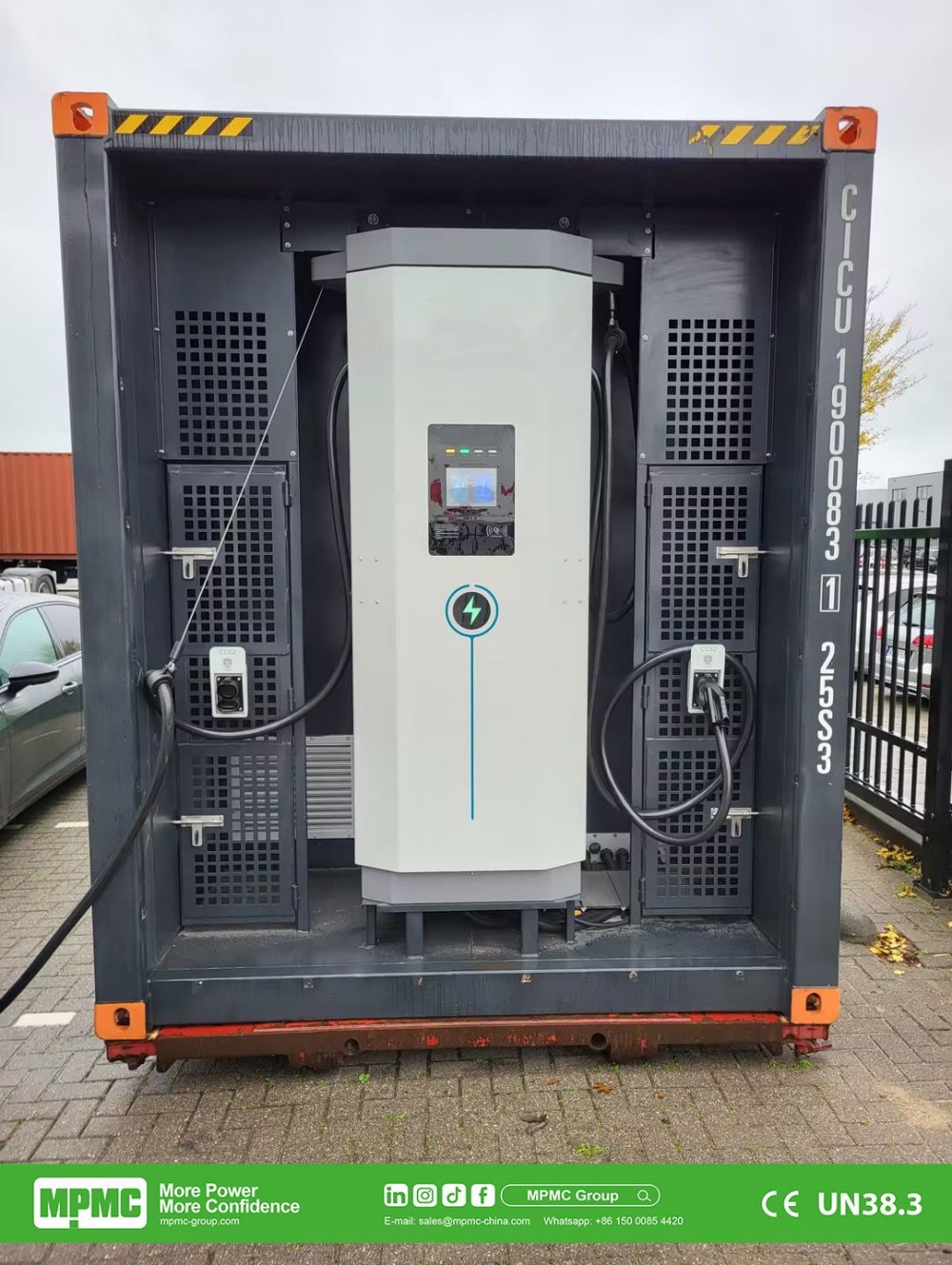
MPMC dual-gun mobile DC fast charging cabinet, suited to a depot charging bay with limited grid capacity.
Matching Charger Capacity to a Bus Rotation
MPMC’s BCH-600-400 delivers 400 kW DC output through two CCS2 350A guns, with the BCH-800-600 and BCH-500-1000 extending to 640 kW peak and 500 kW rated DC output respectively, both also on dual CCS2 350A connectors. For a bus depot, the choice between these models should follow the actual rotation being charged: how many buses need to charge within a given shift-change window, and how much dwell time each bus has at the depot, rather than the largest available unit by default. Multiple BCH units can also run in parallel to charge more buses simultaneously than a single unit’s connector count allows.
Model
DC Output
Connectors
BCH-600-400
400 kW
2× CCS2 350A
BCH-800-600
up to 640 kW peak
2× CCS2 350A
BCH-500-1000
500 kW rated
2× CCS2 350A
A Documented Reference for High-Power, Off-Grid-Style Charging
MPMC’s Norway deployment — a 2 MWh BCH-500-1000 system at 500 kW per unit, 1,000 kWh capacity, and CCS2 output at 360 kW/400A — was built specifically to enable zero-emission construction machinery charging at a site with no grid access at all. While a bus depot typically retains some grid connection, the same underlying architecture applies directly: the battery buffer absorbs the difference between what the grid connection can sustain and what the charging load actually demands during peak overnight hours.
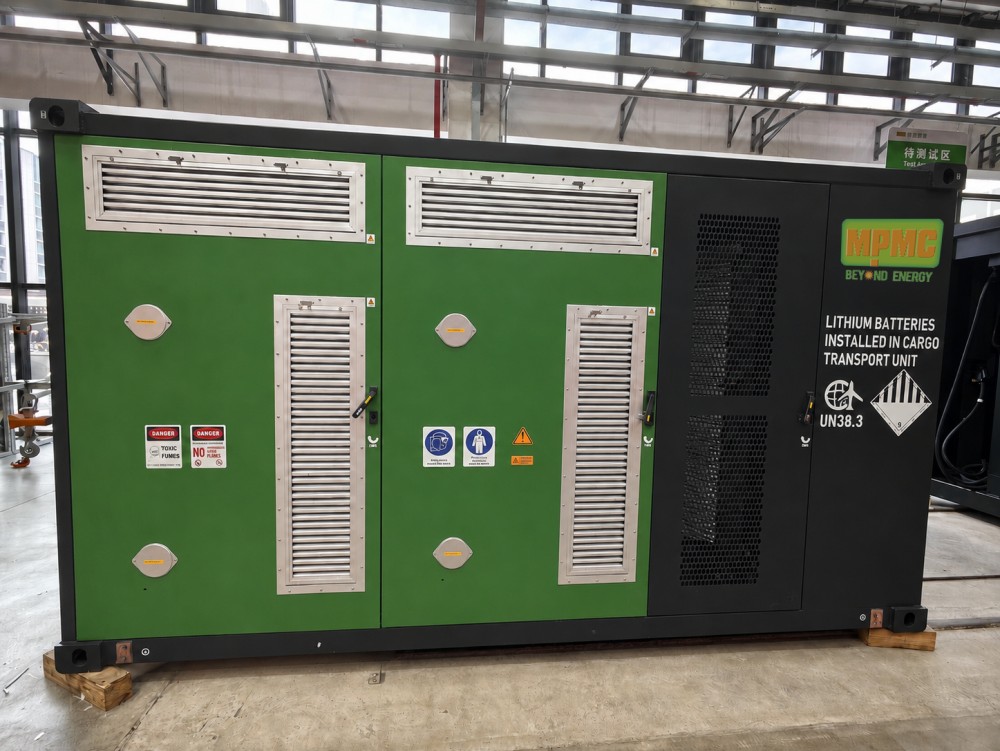
MPMC BCH-600-400 mobile BESS charger, rated for 400 kW DC output through dual CCS2 350A connectors.
Recharging the System Without Adding to the Depot’s Peak Demand
MPMC’s BCH-275-200-and-above models can recharge via CCS2 DC input from an existing fast-charging connection, in addition to standard AC input from the grid, a genset, or solar. A depot with a solar canopy or an existing DC fast-charging point elsewhere on site can use this to top up the BCH unit’s battery outside the depot’s own peak demand period, further reducing the strain the charging system places on the limited grid connection during the hours the depot actually needs it most.
Warranty Terms for a High-Utilisation Depot Duty Cycle
A bus depot charger runs through far more charging cycles per year than an occasional-use unit, which makes a warranty expressed only in calendar years less informative than one expressed in total energy throughput. MPMC’s BCH-275-200, BCH-600-400, BCH-800-600 and BCH-500-1000 models carry a system warranty of 3 years or 1.6 MWh of total output, whichever comes first, with a battery performance warranty of 5 years or 2.57 MWh, retaining at least 70% end-of-life capacity. A depot operator should calculate which threshold — the time period or the throughput figure — is actually likely to apply first given the depot’s real daily charging volume, since a high-utilisation depot may reach the throughput limit well before the stated year count elapses.
Specifying a Mobile Fast-Charging System for a Grid-Constrained Depot
• Map the depot’s actual charging window and vehicle count against the grid capacity currently available
• Confirm which BCH model’s rated DC output and connector count matches the number of buses needing simultaneous charging
• Ask whether multiple units can run in parallel if the depot’s charging demand grows beyond a single unit’s capacity
• Confirm the recharge rate available from the depot’s actual grid connection between bus charging sessions
• Ask whether solar or an existing DC fast-charging point on site could supplement the battery’s recharge cycle
• Request a documented reference from a comparable high-power, grid-constrained charging deployment
https://www.mpmc-group.com/
MPMC Powertech Corp. -
AuthorPosts

- You must be logged in to reply to this topic.