- This topic is empty.
-
AuthorPosts
-
16/10/2026 at 16:16 #9308
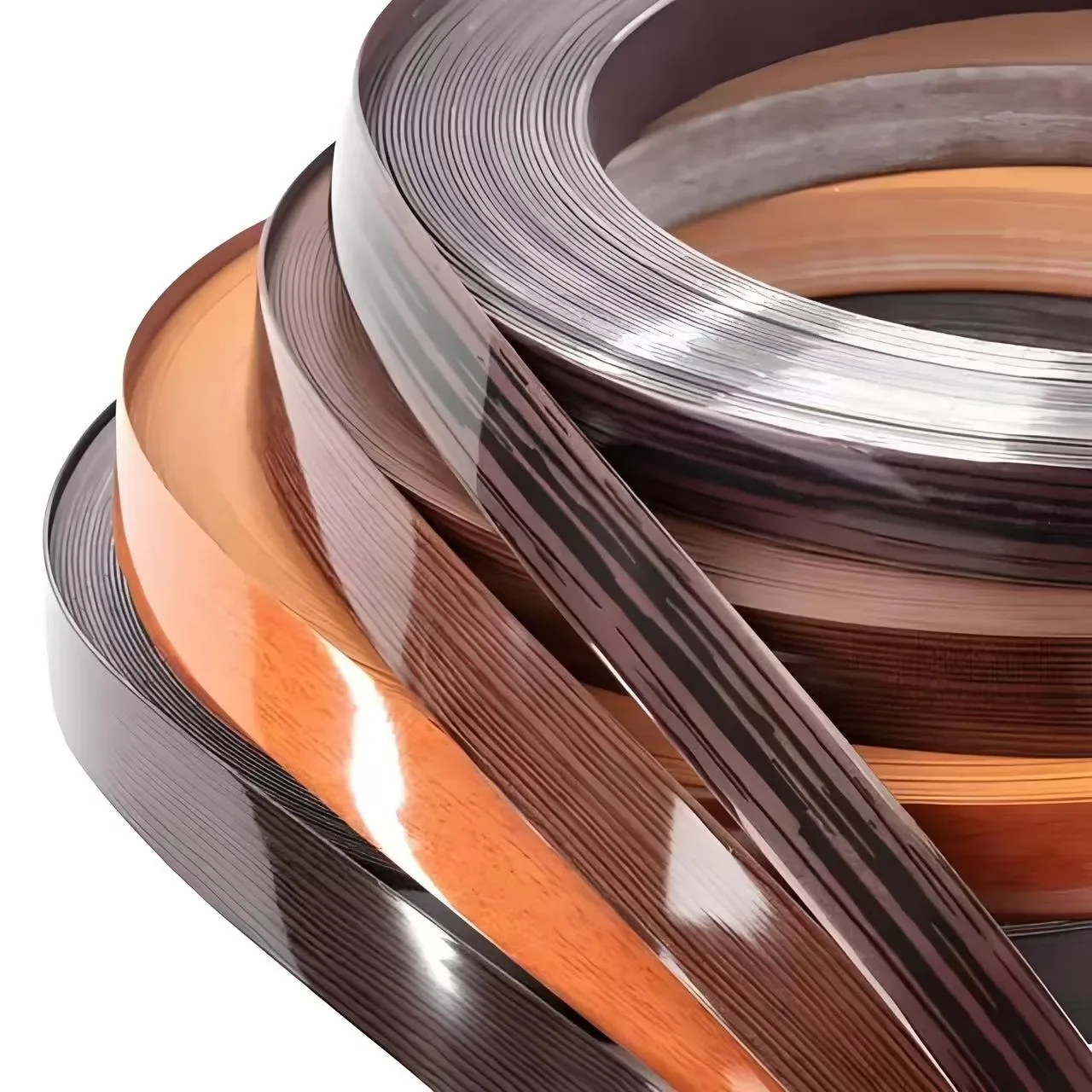
Modern furniture manufacturing is increasingly focused on more than functionality and structural strength. Consumers and commercial buyers now pay closer attention to appearance, surface texture, product durability, and environmental considerations. These changing expectations have encouraged manufacturers to explore innovative decorative materials that combine attractive finishes with dependable performance. One notable development is high-realistic 3D printed edge banding, which is creating new opportunities for furniture designers and panel manufacturers.
Edge banding plays an essential role in furniture production. It covers exposed panel edges, creates a cleaner finish, and helps protect the underlying material against moisture, impact, and everyday wear. With improvements in printing and surface finishing technologies, edge banding can now replicate the appearance of natural wood, stone, and other decorative materials with greater detail and visual depth.
These advancements enable manufacturers to produce furniture with a more sophisticated appearance without abandoning efficient panel-processing methods. Manufacturers such as Chengdu Xincheng Decoration Materials Co., Ltd. are contributing to this development by supplying decorative edge banding solutions for a wide range of furniture applications.
How Edge Banding Has Evolved in Modern Furniture Production
In the early stages of furniture manufacturing, edge banding was primarily regarded as a functional accessory. Its main purpose was to cover unfinished panel edges, improve product appearance, and reduce the risk of damage during regular use. Decorative choices were often limited to standard colors and relatively simple patterns.
As printing technology and surface treatment methods have advanced, edge banding has taken on a more significant decorative role. Modern high-realistic 3D printed edge banding can reproduce intricate grain patterns, subtle color variations, and textured visual effects that complement the surface of furniture panels.
Compared with conventional decorative finishes, these advanced designs can create a stronger impression of depth and material authenticity. When appropriately matched with the main panel, the edge becomes a natural extension of the overall furniture design rather than a noticeable finishing detail.
This development is particularly beneficial for manufacturers producing contemporary cabinetry, premium wardrobes, customized furniture, and commercial interior products. It allows them to explore more sophisticated designs while working within established production processes.
Key Ways High-Realistic 3D Printed Edge Banding Improves Furniture Design
1. Achieving a More Consistent Appearance Between Panels and Edges
A visually consistent finish is an important factor in determining the perceived quality of panel furniture. Even when a decorative board has an attractive surface, mismatched edge banding can interrupt the design and make the finished product look less refined.
High-realistic 3D printed edge banding helps address this challenge by offering decorative patterns that can be coordinated with the appearance of the main panel. Wood-inspired finishes, including oak and walnut, can create a cohesive natural look, while marble, concrete, and other contemporary patterns support modern interior styles.
This coordination is useful for kitchen cabinets, wardrobes, office desks, shelving systems, and educational furniture. By selecting suitable edge banding, manufacturers can achieve a more unified visual result without relying exclusively on expensive solid wood or natural stone components.
2. Giving Furniture Designers More Creative Freedom
Current furniture trends place considerable emphasis on personalization, material combinations, and distinctive visual details. Manufacturers therefore need decorative components that can accommodate different design preferences and application requirements.
High-realistic 3D printed edge banding offers additional flexibility through a variety of colors, patterns, and surface effects. Designers can select finishes that complement existing panel materials or create deliberate contrasts to establish a particular style.
For example, wood-grain furniture with coordinated edge banding can bring warmth and visual continuity to an office interior. In a contemporary kitchen, stone-inspired finishes can reinforce a clean, minimalist aesthetic. Other decorative combinations can be developed for hotels, educational facilities, residential projects, and commercial spaces.
This broader range of design options helps furniture producers respond to changing customer expectations while differentiating their products in competitive markets.
Selecting Durable Edge Banding Materials for Different Applications
Visual quality is only one consideration when selecting edge banding. Furniture components must also withstand repeated contact, routine cleaning, environmental exposure, and the stresses associated with daily use. Material selection should therefore account for the intended application, processing conditions, and expected service life.
Several edge banding materials are commonly used in modern furniture manufacturing, each offering different advantages.
-
PVC edge banding: PVC is widely used because of its flexibility, processing convenience, and suitability for many types of panel furniture. It is available in a broad range of colors, patterns, and decorative finishes.
-
ABS edge banding: ABS is valued for its mechanical properties and is often considered by manufacturers looking for alternative plastic materials with specific environmental and processing characteristics.
-
Acrylic edge banding: Acrylic products are suitable for furniture designs that emphasize decorative appearance, surface clarity, and a contemporary finish.
-
Melamine edge banding: Melamine edge banding provides a practical option for various panel furniture applications where coordinated decorative surfaces and cost-effective finishing are important.
The appropriate material depends on the furniture design, operating environment, required appearance, and manufacturing process. Buyers should also evaluate bonding performance, dimensional consistency, surface quality, and compatibility with the selected panels.
Chengdu Xincheng Decoration Materials Co., Ltd. offers a range of decorative materials, including PVC edge banding, PVC edge tape, melamine edge banding, acrylic edge banding, and ABS edge banding, serving furniture manufacturing and interior decoration applications.
For projects that require a distinctive tactile experience alongside an attractive appearance, skin-feel edge banding for furniture is another option worth considering. Its specialized surface finish can help create a softer-touch effect while supporting the functional requirements of furniture components. Buyers should confirm the specific product's technical properties and certifications before making a selection.
Why More Furniture Manufacturers Are Exploring Advanced Edge Banding
Greater Product Differentiation in Competitive Markets
Furniture manufacturers face increasing pressure to offer products that stand out without introducing unnecessary production costs. Decorative details provide one way to achieve this balance.
Advanced edge banding allows manufacturers to improve the visual identity of their furniture through carefully selected patterns, textures, and finishes. Instead of depending entirely on panel colors, structural shapes, or additional decorative components, businesses can use coordinated edge treatments to create a more distinctive final product.
Even relatively simple furniture can achieve a more refined appearance when the edge finish is selected to complement the overall design.
A Better Tactile Experience for End Users
Furniture is designed to be used and touched regularly, making the quality of its finishing materials important to the overall user experience. Rough edges, inconsistent surfaces, and poorly matched finishes can affect how customers perceive a product.
Modern edge banding solutions can provide smooth edges, consistent decorative patterns, and specialized tactile effects. Skin-feel finishes, in particular, can introduce a softer surface sensation that suits furniture designed for frequent handling.
These features are relevant to residential cabinets, office furniture, school desks, and other products used throughout the day. When combined with appropriate material selection and professional installation, they can contribute to a more comfortable and polished furniture experience.
Improved Protection for Exposed Panel Edges
Furniture panels may be vulnerable to moisture, impact, abrasion, and accidental damage at their exposed edges. If these areas are inadequately finished, the panel core may become more susceptible to deterioration.
Properly selected and installed edge banding helps cover these vulnerable areas and reduce exposure to everyday damage. Depending on the material and bonding quality, it can help limit moisture penetration and protect against surface wear, contributing to the durability of the finished furniture.
For manufacturers, consistent edge finishing can also reduce quality problems associated with exposed panel edges. However, actual performance depends on the edge banding material, adhesive system, installation process, and conditions of use.
Chengdu Xincheng Decoration Materials Co., Ltd.: A Decorative Material Partner for Furniture Manufacturers
Established in 2007, Chengdu Xincheng Decoration Materials Co., Ltd. is a decorative material manufacturer located in Chongzhou Economic Development Zone, Chengdu, Sichuan Province, China. The company integrates research and development, manufacturing, sales, and export services to support customers across different furniture and interior decoration markets.
Its product portfolio includes PVC edge banding, PVC edge tape, melamine edge banding, acrylic edge banding, and ABS edge banding. These materials are intended for applications such as residential furniture, office facilities, educational furniture, and decoration projects.
The company operates more than 10,000 square meters of standardized production facilities and uses manufacturing equipment and quality inspection systems to support its production activities. Its R&D and quality control teams work to maintain product consistency and meet the requirements of different customers.
With a reported annual production capacity exceeding 50 million square meters, Chengdu Xincheng is equipped to serve substantial purchasing requirements. The company also reports obtaining certifications including SGS and ISO 9001, which support its quality and compliance processes. Buyers should review the relevant certificates and product documentation to verify their current validity and scope.
Over the years, Chengdu Xincheng has developed business relationships with customers in Southeast Asia, Central Asia, Africa, Eastern Europe, and the Middle East. By providing a range of decorative edge banding materials and supporting different furniture applications, the company continues to serve manufacturers seeking practical finishing solutions for their products.
For buyers evaluating a potential supplier, useful considerations include product specifications, available colors and patterns, material consistency, customization options, sample availability, production lead times, and export support. Reviewing these factors can help establish whether a supplier's capabilities align with a project's technical and commercial requirements.
Emerging Trends in High-Realistic 3D Printed Edge Banding
The development of edge banding is closely connected to broader changes in furniture design and manufacturing. As customers seek more personalized interiors and more convincing decorative surfaces, manufacturers will continue to explore improvements in printing accuracy, texture reproduction, and material performance.
Several trends are likely to influence future product development.
More convincing material reproduction: Improvements in decorative printing and finishing may enable closer visual coordination between furniture panels and their edges, particularly for detailed wood-grain and stone-inspired designs.
Greater emphasis on tactile quality: Surface feel is becoming another consideration in furniture selection. Soft-touch finishes and other specialized textures may help manufacturers create products with a more distinctive user experience.
More application-specific solutions: Different furniture categories require different combinations of appearance, durability, processing characteristics, and cost. Edge banding suppliers will continue to serve these varied requirements through broader material and finish options.
Increased attention to environmental performance: Furniture buyers are paying closer attention to material composition, manufacturing practices, and product documentation. Manufacturers should evaluate relevant environmental requirements and select materials that comply with the standards applicable to their markets.
Closer integration with automated production: Consistent dimensions, reliable bonding, and predictable processing performance are important for furniture factories using automated edge banding equipment. Product development that supports efficient manufacturing can help businesses maintain quality while managing production costs.
As these trends progress, edge banding will increasingly be recognized as both a protective component and a meaningful part of furniture design.
Conclusion
High-realistic 3D printed edge banding is expanding the design possibilities available to modern furniture manufacturers. By combining detailed decorative patterns with practical edge protection, it helps create furniture with a more cohesive appearance, improved perceived quality, and finishing options suited to different applications.
Successful implementation depends on more than visual design alone. Manufacturers must also consider material characteristics, panel compatibility, adhesive performance, processing requirements, and long-term durability when selecting an appropriate edge banding solution.
With its range of PVC, ABS, acrylic, and melamine edge banding products, Chengdu Xincheng Decoration Materials Co., Ltd. serves furniture manufacturers seeking decorative finishing materials for residential, commercial, and educational applications.
As furniture design continues to evolve, carefully selected edge banding solutions will remain an important part of producing attractive, functional, and durable panel furniture for global markets.
http://www.xc-edgetape.com
Chengdu Xincheng Decoration Materials Co., Ltd. -
-
AuthorPosts

- You must be logged in to reply to this topic.