- This topic is empty.
-
AuthorPosts
-
13/11/2026 at 09:42 #9671
J30J series rectangular connectors are designed for applications that require dependable electrical connections, space-efficient structures, and consistent operating performance. These connectors are commonly integrated into industrial machinery, automation and control systems, testing instruments, aerospace equipment, transportation systems, and other applications with demanding operating requirements.
Despite their relatively small size, connectors play an essential role in maintaining the overall stability of an electrical system. Problems such as poor contact, accumulated dirt, corrosion, physical damage, and incorrect cable installation can gradually affect electrical performance. If left unaddressed, these issues may result in unstable signal transmission, excessive heat generation, intermittent connections, or even complete connection failure.
Fortunately, proper maintenance can prevent many of these problems and help connectors remain reliable throughout their intended service life. For equipment operators and maintenance professionals using J30J series rectangular connectors, adopting the following practices can minimize unnecessary wear, improve electrical stability, and reduce unexpected equipment downtime.
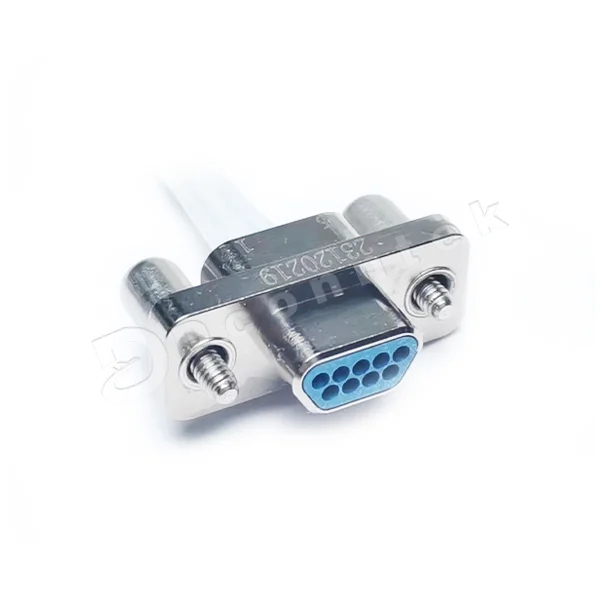
1. Identify the Main Factors That Affect Connector Service Life
Understanding why connectors deteriorate is the first step toward developing an effective maintenance strategy.
Mechanical wear is a major factor affecting connector performance. Frequent connection and disconnection, excessive cable tension, continuous equipment vibration, and accidental physical impacts can gradually weaken connector housings, electrical contacts, and locking mechanisms.
Foreign substances can also interfere with electrical connections. Dust, grease, moisture, metal debris, and other contaminants may collect around contact surfaces. Over time, these materials can contribute to increased contact resistance and accelerate corrosion.
Operating conditions are equally important. Prolonged exposure to elevated temperatures, repeated temperature changes, high humidity, aggressive chemicals, and mechanical vibration may affect connector materials and reduce their long-term reliability.
In addition, incorrect installation procedures or careless handling can shorten connector life, even when the selected product meets the application's basic requirements.
Therefore, an effective maintenance plan should cover connector cleanliness, installation quality, operating conditions, and daily handling practices.
2. Perform Routine Visual Inspections
Regular visual checks are a simple yet valuable way to identify potential connector problems before they develop into more serious failures.
During routine equipment servicing, maintenance personnel should examine J30J connectors for the following conditions:
-
Cracks, deformation, or visible damage to the connector housing.
-
Loose locking mechanisms or damaged fastening components.
-
Bent, displaced, recessed, or worn electrical contacts.
-
Corrosion, oxidation, or unusual surface discoloration.
-
Accumulated dust, oil, moisture, or foreign particles.
-
Cracks or wear on cable insulation near the connector.
-
Evidence of excessive heat, including melted materials or darkened surfaces.
How frequently inspections are required depends on the actual operating environment. Connectors installed inside clean electrical cabinets may need fewer inspections than those used in dusty factories, high-vibration equipment, humid environments, or outdoor installations.
For electrical systems where connection reliability is particularly important, keeping inspection records is highly recommended. Documenting changes in connector condition allows maintenance teams to recognize early signs of deterioration and arrange corrective action before a failure affects equipment operation.
3. Maintain Clean and Undamaged Contact Surfaces
The condition of electrical contact surfaces has a direct influence on connection quality. Keeping these areas free from contamination helps maintain stable electrical transmission.
When dirt or foreign particles are discovered, cleaning should be carried out using methods suitable for the connector's materials and construction.
For loose dust and debris, controlled compressed-air cleaning may be appropriate if permitted by the equipment manufacturer's instructions. Other types of contamination may require approved electrical connector cleaners or alternative cleaning procedures.
Avoid using sharp objects, abrasive materials, or aggressive scraping techniques. These methods may scratch contact surfaces, damage protective coatings, or permanently affect the electrical connection.
It is also important to prevent excessive moisture and unsuitable chemical substances from entering the connector. Cleaning agents should be compatible with the contact materials, housing, and surrounding insulation.
Once the cleaning process is complete, ensure that the connector is completely dry before reconnecting it or restoring power to the equipment.
4. Minimize Unnecessary Connection and Disconnection
Every connector has a rated mechanical mating life. Repeatedly connecting and disconnecting the components can gradually cause wear on contact surfaces and mechanical locking structures.
To reduce unnecessary mechanical stress, avoid unplugging J30J connectors simply for inspection when there is no actual maintenance requirement.
When disconnection is necessary, always grip the connector housing or its designated handling area. Never pull directly on the attached cable, as this can place excessive tension on the cable termination and internal wiring.
Pay attention to any unusual resistance during mating or unmating. If a connector becomes difficult to insert or remove, do not force it into position. Check for incorrect alignment, contamination, damaged contacts, or obstructions that may prevent normal operation.
Identifying the underlying cause early can help prevent additional mechanical damage and avoid unnecessary connector replacement.
5. Follow Proper Installation and Cable Management Practices
Installation quality is closely related to the long-term performance of rectangular connectors.
Before connecting a J30J series connector, verify that both mating sections are correctly aligned. Applying excessive force when the connector halves are misaligned may damage the contacts or housing.
Proper cable management is another important consideration. Cables should be supported appropriately to prevent their weight, movement, or external pulling forces from placing continuous pressure on the connector.
For equipment exposed to frequent movement or vibration, suitable cable clamps, supports, and strain-relief arrangements can help distribute mechanical loads more evenly.
Avoid bending cables sharply near the connector termination. Maintaining an appropriate bending radius helps protect the cable insulation, internal conductors, and connection points from excessive mechanical stress.
Although these installation details may seem relatively minor, they can have a substantial impact on connector reliability during extended equipment operation.
6. Inspect Mounting Conditions and Control Vibration
Mechanical vibration is a common challenge in industrial machinery, transportation equipment, and other applications involving continuous movement.
Over extended operating periods, vibration may gradually loosen mounting hardware, affect locking structures, or cause excessive movement around electrical connections.
During scheduled maintenance, verify that the connector remains securely installed. Examine its mounting points, fastening components, locking features, and nearby cable supports for signs of looseness or abnormal movement.
However, tightening every component as much as possible is not an appropriate solution. Excessive tightening force may deform connector housings, damage mounting structures, or affect the original assembly condition.
Always follow the recommended installation specifications.
If the same connection repeatedly becomes loose, investigate the source of vibration or mechanical movement. Addressing the underlying problem is more effective than repeatedly correcting the visible symptoms.
7. Reduce Exposure to Moisture and Chemical Contaminants
Environmental conditions can significantly influence connector durability, particularly when electrical contacts are exposed to moisture or corrosive substances.
Even connectors intended for demanding applications must operate within their specified environmental limits. Installation and maintenance procedures should reflect the actual temperature, humidity, and chemical exposure conditions.
For equipment operating in humid or chemically aggressive environments, increase inspection frequency and pay particular attention to oxidation, corrosion, material discoloration, and insulation deterioration.
Nearby sources of water, lubricants, solvents, industrial cleaning chemicals, and corrosive gases should also be considered when evaluating connector protection.
If the working environment changes after equipment installation, the original protection arrangements may need to be reviewed.
In outdoor installations or harsh industrial environments, connector selection should be combined with appropriate enclosure protection, sealing measures, and effective cable routing. Long-term reliability depends on the complete installation system rather than the connector alone.
8. Monitor Electrical Conditions to Detect Early Problems
Not every connector issue can be discovered through visual inspection. Some electrical problems develop internally and become noticeable only when operating performance begins to change.
Depending on the equipment and application requirements, maintenance teams can evaluate several electrical indicators:
-
Contact resistance to identify changes in connection quality.
-
Electrical continuity to confirm that the connection remains stable.
-
Signal transmission performance to detect intermittent interruptions.
-
Voltage drop to identify potential connection problems.
-
Local operating temperature to detect abnormal heat generation.
-
Intermittent electrical faults that may indicate unstable contact conditions.
A noticeable increase in contact resistance or unusual localized heating may suggest contamination, contact wear, insufficient mating, or other electrical defects.
For critical electrical equipment, comparing current test results with previous inspection data can provide a clearer picture of connector condition. Monitoring performance trends makes it easier to identify gradual deterioration before it develops into a complete connection failure.
Electrical testing should always follow appropriate safety procedures and the applicable equipment specifications.
9. Replace Severely Damaged Connectors Without Delay
The purpose of connector maintenance is to maintain dependable operation, not to keep every component in service indefinitely.
When a connector shows serious physical damage, replacement is generally preferable to repeated temporary repairs.
Typical conditions that may require replacement include cracked housings, badly deformed contacts, damaged insulation, persistent connection instability, and visible signs of overheating.
The condition of the attached cable should also be evaluated. If mechanical damage has occurred near the connector termination, the affected cable assembly may require proper repair or replacement.
Continuing to use defective connectors can introduce unpredictable electrical problems and affect other components within the system. This is particularly concerning in applications involving power transmission, control circuits, and critical signal connections.
Timely replacement helps maintain overall equipment safety and reduces the possibility of more expensive failures.
10. Choose a Suitable Connector Configuration for Your Application
Even the best maintenance procedures cannot fully compensate for an unsuitable connector selection.
Before choosing a J30J series rectangular connector, engineers should evaluate the electrical specifications, mechanical installation requirements, available mounting space, environmental conditions, and expected connection frequency.
Cable compatibility is another essential factor. Connector configuration, conductor size, termination technology, cable routing, and strain-relief design should be considered together to create a reliable electrical assembly.
For customized industrial equipment, working with an experienced connector manufacturer can help ensure that the selected solution meets the actual application requirements.
Dconntek focuses on the design and assembly of custom-engineered connectors and cable solutions for demanding operating environments. By working closely with customers, the company develops connector solutions according to specific electrical, mechanical, and environmental requirements rather than relying exclusively on standard configurations.
With an emphasis on manufacturing quality, efficient delivery, and responsive customer support, Dconntek aims to provide dependable connection solutions for specialized equipment and industrial applications.
To explore product specifications and available configurations, visit the J30J Series Rectangular Connectors product page.
11. Develop a Consistent Connector Maintenance Routine
Maintaining connectors does not necessarily require complicated procedures or expensive testing equipment. A structured inspection schedule can make daily maintenance more manageable and effective.
The following approach can be incorporated into general equipment maintenance programs:
Before Equipment Operation
Check for visible damage, loose connections, unusual cable conditions, and obvious contamination. Confirm that connectors are correctly positioned and secured.
During Scheduled Maintenance
Examine the connector housing, electrical contacts, cable termination, locking mechanisms, mounting points, and surrounding installation environment. Carry out cleaning or electrical checks when necessary.
Following Abnormal Operating Events
Inspect the connector after unexpected equipment impacts, excessive vibration, water exposure, overheating, or other unusual operating conditions.
During Major Equipment Overhauls
Consider more comprehensive electrical testing and compare the results with previous maintenance records. Replace components that show significant deterioration or fail to meet applicable requirements.
By incorporating these procedures into existing equipment maintenance activities, companies can identify connector problems earlier and reduce the need for emergency repairs.
Conclusion
Maintaining the performance of J30J series rectangular connectors over an extended period requires attention to several factors, including mechanical wear, electrical contact quality, installation conditions, and environmental exposure.
Regular inspections, appropriate cleaning, careful handling, proper cable support, vibration management, and timely component replacement can all contribute to more stable electrical connections and longer service life.
At the same time, selecting the correct connector configuration and ensuring compatibility with the cable and equipment are essential steps in preventing problems before operation begins.
For engineers, equipment manufacturers, and maintenance professionals, combining appropriate connector selection with consistent maintenance practices is an effective way to minimize unexpected electrical failures, improve equipment reliability, and support long-term operational performance.
http://www.dconntek.com
Dconntek -
-
AuthorPosts

- You must be logged in to reply to this topic.