- This topic is empty.
-
AuthorPosts
-
23/11/2026 at 09:37 #9833
Published: December 2026 | By Fengzai Foodservice Team
Every buyer of shaped dim sum has seen the failure at least once: a rabbit with crisp ears in the supplier's photograph comes out of your steamer with the face of a dumpling that lost an argument. The ears are gone, the surface is pockmarked, or a hairline crack runs across the cheek. It is tempting to blame the product, and sometimes the product is to blame — but understanding why do shaped steamed buns lose shape after steaming requires separating four distinct failure modes, because each has a different root cause, a different fix, and a different party responsible for it. This guide walks through all four, from both sides of the freezer door: what the factory must control, what your kitchen must control, and how to test a supplier before you commit a banquet season to them.
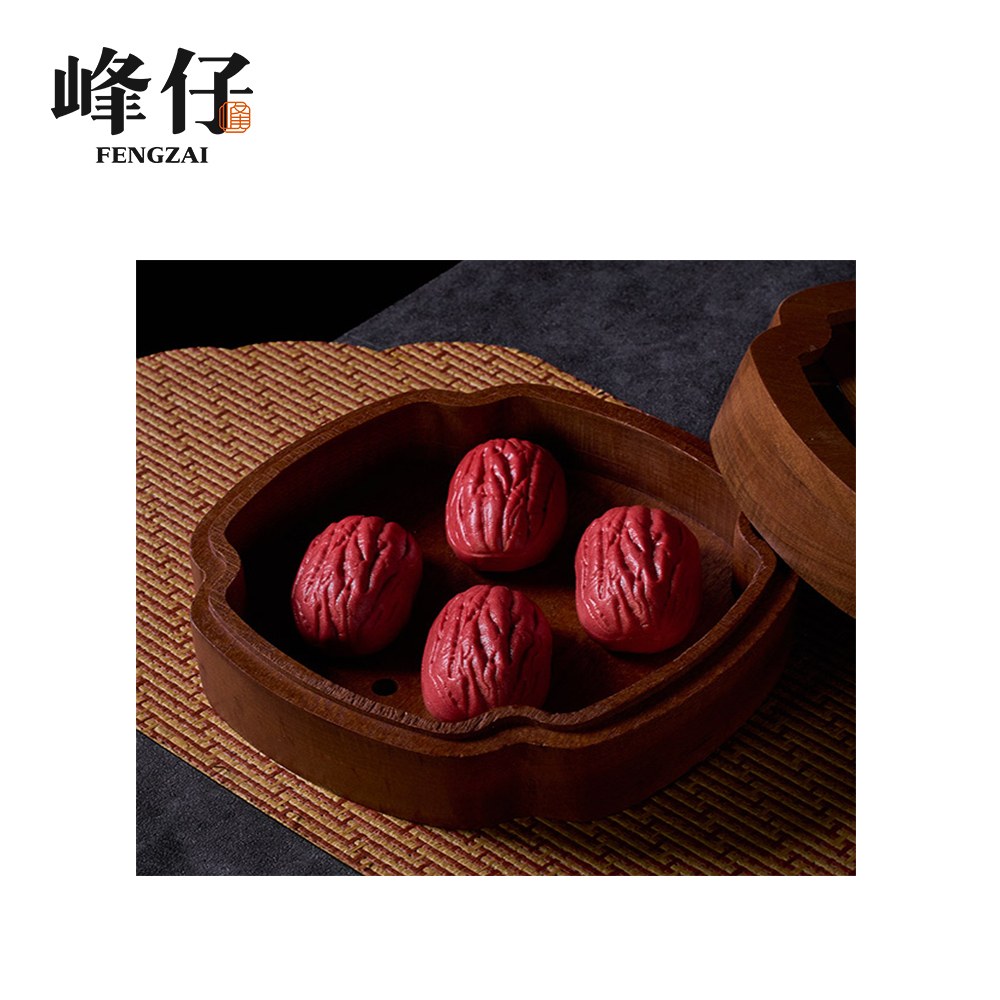
1. The Four Ways a Bun Fails
Blurry details are the most common failure: ears, petals and facial features that were sharp out of the freezer emerge soft and rounded, like a photograph left in the rain. The cause is almost always gas: if the dough has proofed too long, the gas cells grow large and the surface dilates before the starch structure sets, so fine relief melts away. A bun with blurry details is telling you the fermentation window was missed — either at the factory or, if you thaw before steaming, in your own refrigerator overnight.
Collapse is the second mode: the bun leaves the steamer looking right, then settles and wrinkles as it cools. This points to over-fermentation or to a sudden temperature shock — a lid flung open into a cold kitchen, or a bun moved straight from steam to a chilled plate. Cracking, the third mode, is the classic thawing wound: a bun that thaws loses surface moisture, the skin dries and micro-fractures, and the steam then expands those fractures into visible tears. The fourth mode is colour and sheen drift — a dull, greyish or water-spotted surface — which usually means condensation dripped from the lid onto the bun, or the bun sat steaming long past its point of doneness.
✅ Bottom line: each failure mode names its own cause — blurry points to fermentation, collapse points to shock, cracks point to thawing, and dullness points to condensation. Read the symptom and you already know where to look.
2. The Factory Side: Fermentation Is the Standard, Not the Shape
The single most useful sentence ever said to us about shaped-bun production came from a Jiaodong huabobo inheritor interviewed by China Daily in March 2026: "There is no standard for the shape, but there is a standard for the fermentation. However beautifully you carve it, if the fermentation fails, the whole thing is ruined." She was describing hand-made festival buns, but the discipline applies double in a factory, where the fermentation window is measured in minutes and the batch is measured in thousands. Industrial steamed bun dough fermentation and shaping quality control therefore lives or dies on three numbers: proofing temperature, proofing humidity, and the time window in which the dough passes from under-proofed to over-proofed. Miss the window on one tray and one tray is lost; miss it on a running line and a whole production run is lost.
After shaping, the clock changes direction. The formed bun must be moved into blast freezing quickly enough that the yeast's final activity does not distort the relief you just shaped — this is the "freeze-locked geometry" stage, and it is where cheaper producers cut the corner that shows up later as blur. Finally, every batch needs sampled steaming before it ships: a tray pulled at random, steamed under the standard recipe, and compared against a reference photograph. A factory that steams its own samples from every batch and keeps the photos is a factory you can audit with a single question: show me last Tuesday's tray.
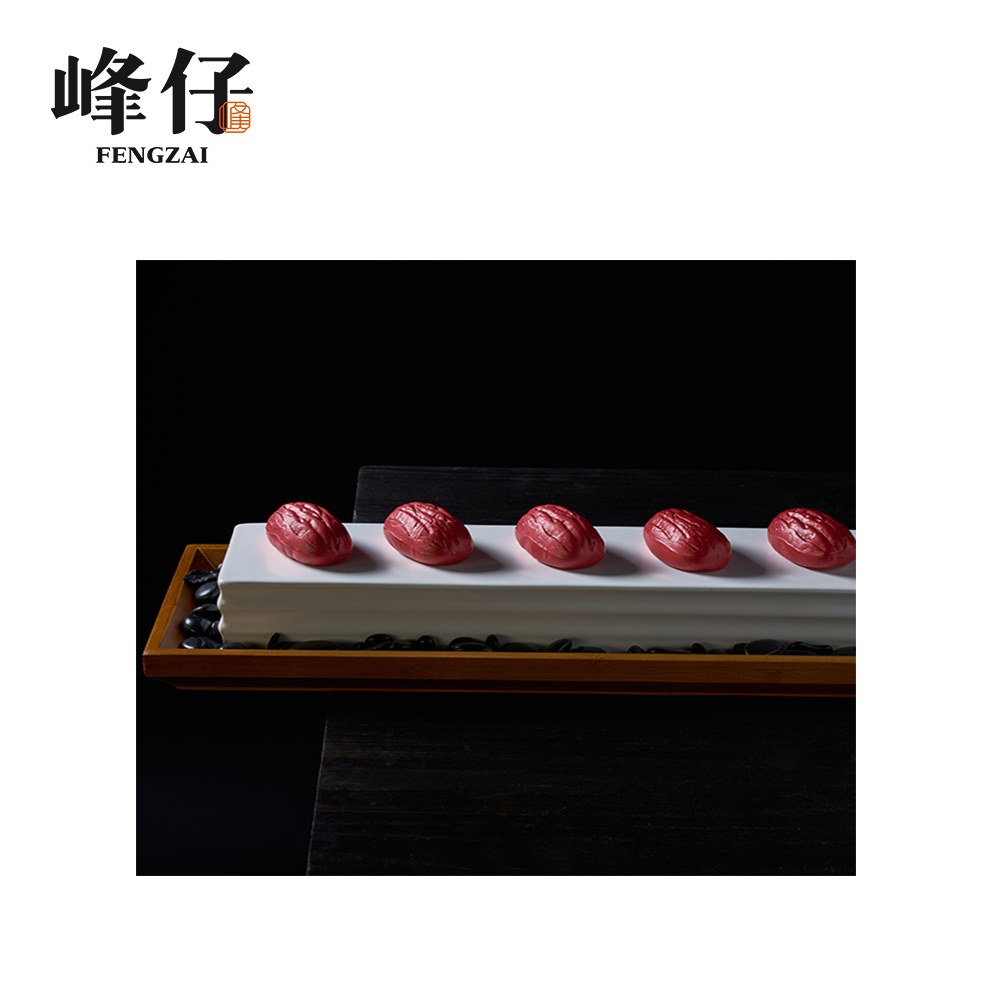
One more factory-side variable that buyers rarely think to ask about: colour stability. Natural colourings — spinach green, pumpkin orange, red yeast rice pink, purple sweet potato — each behave differently under prolonged steam, fading or browning at different rates. A producer who has run the same colour through extended steam testing can tell you, per shape and per colour, exactly how many minutes of steaming the surface tolerates before the tone drifts. That number should appear on the specification sheet. If it does not, the supplier has not done the test.
✅ Bottom line: the factory owns fermentation, freeze-locking and batch QC. Ask for the proofing window, the blast-freeze delay and last batch's steam-test photo — three questions that separate real producers from repackers.
3. The Kitchen Side: Most Deformation Is Created in the Last Eight Minutes
Here is the uncomfortable truth for buyers: a large share of the shaped buns that fail in hotels were sound when they left the factory, and were wounded in the kitchen. The first and biggest mistake is thawing. A frozen shaped bun is a freeze-locked structure; thaw it, and ice recrystallisation and surface moisture loss do their damage before the steamer is even involved — the cracks described above are almost always thaw wounds, not product defects. The fix costs nothing: steam from frozen. A 30 to 50 g piece reaches serving condition in eight to ten minutes of steaming straight from the -18°C freezer, which is also why shaped buns fit a breakfast service window where a thaw step simply cannot exist.
The second mistake is timing and handling after the steam. Buns left sitting in the basket continue to cook and to collect condensation, and both dull the surface and soften the details that made the shape sellable in the first place. The professional pattern is short and dry: steam the standard eight to ten minutes, open the basket away from dripping condensate, and move the buns to service within two or three minutes. The third mistake is heat management — boiling hard enough to rattle the basket knocks pieces against each other and dents relief work, while a rolling, steady steam does not. None of this requires a pastry chef. It requires a written steaming instruction on the line card, and a kitchen that follows it — which is, in practical terms, the whole answer to how to prevent cartoon buns from deforming when steamed.
✅ Bottom line: steam from frozen, eight to ten minutes, out of the basket within three, no hard boil. Four rules on one line card remove most kitchen-side failures.
4. Test the Supplier with a Steamer, Not a Brochure
Because why do shaped steamed buns lose shape after steaming has answers on both sides of the freezer door, a supplier's samples must be tested under your conditions, not theirs. The protocol takes one afternoon. Steam the sample pieces from frozen under your standard recipe — eight to ten minutes, steady steam — and photograph each shape before steaming, straight out of the steamer, and after five minutes on the service plate. Compare the three photographs against the supplier's own product photography. Details that survive all three frames are details that will survive your banquet.
Then test the batch, not the sample. Ask for the samples to come from current production rather than a prepared lot, and check piece-to-piece consistency across the carton: same ear height, same petal definition, same colour tone. A producer whose QC samples every batch — as described in section 2 — will have no objection to this, and a supplier who hesitates has answered a different question instead. For seasonal or event programs, repeat the test on the exact shapes and colours you intend to order, because a white bun and a red yeast rice bun do not behave identically under prolonged steam.
This is also the moment to connect the failure modes back to the people who prevent them. Every claim in sections 2 and 3 is verifiable in a sample exchange: proofing windows appear as blur-free detail, blast-freeze discipline appears as crack-free surfaces, batch QC appears as piece-to-piece uniformity. A supplier who passes the one-afternoon steam test has demonstrated all three controls without showing you a single certificate.
✅ Bottom line: three photographs per shape, from current production, under your recipe. The steamer is the audit.
Frequently Asked Questions
Q: If buns come out deformed, can they be rescued?
A: Partially, and only cosmetically. Blur and dullness can be disguised on a plated dessert with sauce work and garnish, which is one reason shaped buns pair well with the plating formulas used in banquet service. Collapse and cracks cannot be repaired — the structure is gone. Prevention is worth several orders of magnitude more than rescue: the rules for how to prevent cartoon buns from deforming when steamed — no thawing, eight to ten minutes, prompt unloading — cost nothing and eliminate the majority of kitchen-side failures.Q: Can we judge a factory's craft from the product alone?
A: Yes, more reliably than from its certificates. Uniform, crisp detail across a whole carton is direct evidence of controlled steamed bun dough fermentation and shaping quality control, because no single bun can be hand-picked into a sample box — the whole batch either holds the window or it does not. Ask for a random carton rather than a curated sample, steam it from frozen, and the product will tell you what the audit deck never would. A manufacturer such as Zhejiang Fengzi Food Co., Ltd. steams and photographs its own batches for exactly this reason: the record is the evidence.Q: Why does the same product behave differently across our branches?
A: Because the kitchen-side variables differ: thawing in one branch and not another, basket dwell times that vary with service pressure, condensate dripping from overloaded steamers. None of those are the product itself, which is why kitchens often ask why do shaped steamed buns lose shape after steaming when the honest answer is a line card that nobody reads. Write the steaming instruction onto the line card — steam from frozen, eight to ten minutes, out within three — and the variance between branches collapses. If differences persist across branches using the identical card, the remaining variable is the product, and that is the moment to invoke the batch-level test in section 4.Testing a supplier before the banquet season? Send Fengzai your steaming recipe — basket type, fire level, timing — and the team will run your exact protocol on current production before the samples ship, then include the batch steam-test photographs with the sample box. The quality team at Zhejiang Fengzi Food Co., Ltd. samples and steams every production batch as standard practice, holds ISO 9001, ISO 22000 and HACCP certification, and documents colour stability per shape — so whether the question is how to prevent cartoon buns from deforming when steamed in your kitchen or steamed bun dough fermentation and shaping quality control in the factory, the answer arrives as a photograph, not a promise. Pieces steam from frozen in eight to ten minutes and hold twelve months at -18°C, and the shaped range is listed on the Fengzai products page with the fruit silhouettes featured on the apple-shaped steamed bun page.
http://www.fzdimsum.com
Zhejiang Fengzai Food Co., Ltd. -
AuthorPosts

- You must be logged in to reply to this topic.