- This topic is empty.
-
AuthorPosts
-
11/11/2026 at 16:46 #9642
A lathe spindle is one of the hardest workpieces to balance correctly — and one of the most important to get right. It is long and narrow, so couple unbalance dominates and two-plane detection is mandatory. Its bearing journals and mounting surfaces are precision-finished, so a universal-joint drive can damage the very surfaces the machine is meant to protect. And when it runs in a machine tool, an unbalanced spindle becomes chatter, poor surface finish and short bearing life. That is why workshops specify a dedicated balancing machine for lathe spindle 500 kg workpiece duty: belt-driven, rigid-bed, two-plane, with a readout an operator can trust. This guide covers the balance grade, the drive choice, and how to size the machine before you request quotations from any manufacturer.
1. Why Lathe Spindles Need Two-Plane Balancing — and What Grade to Aim For
Lathe spindles need two-plane correction because their length-to-diameter ratio is usually greater than 1 — the opposite of a pump impeller. On a long rotor, unbalance appears at different positions along the axis, so a single correction plane leaves a couple unbalance that still shakes the bearings. This is the mirror image of the thin-disc impeller case, and it is the first question a serious balancing machine supplier will ask: what is the workpiece L/D ratio?
For the quality target, machine tool spindles sit near the top of the ISO 21940-11 scale. Most builders specify grade G2.5, and precision high-speed spindles often require G1. The permissible residual unbalance is U = 9549 × G × m / n. A 30 kg spindle assembly running at 3,000 rpm at G2.5 carries U = 9549 × 2.5 × 30 / 3000 ≈ 239 g·mm — split across two correction planes. Two practical notes from Shenke commissioning engineers: first, always calculate at the spindle's service speed, not the balancing speed; second, balance the complete assembled rotor whenever possible, because a keyway, pulley or toolholder added later shifts the unbalance vector.
✅ Bottom line: Long spindles demand two-plane detection at G2.5 or better, calculated at service speed — a single-plane shortcut will pass on the machine and fail in the lathe.
2. Belt Drive vs Universal Joint — and How to Size the Machine
For finished spindle surfaces, belt drive is the clear choice. A cardan shaft clamps onto the rotor and transmits torque through a coupling — any coupling error, joint wear or hysteresis feeds straight into the measurement, and the clamp jaws can bruise finished diameters. A belt drive wraps a friction belt around the spindle body or a dedicated drive surface: no metal-to-metal clamp, no coupling error in the signal, and no damage to ground surfaces. The Shenke YYQ-500 belt-drive lathe spindle balancing machine with digital display was engineered around exactly these three points — belt transmission, a heavy-duty rigid bed for large rotors, and a digital display cabinet that computes unbalance magnitude and angle for double-plane correction.
Sizing is the step most buyers rush. Confirm these six points before requesting a quote:
✅ Weight envelope: a horizontal balancing machine workpiece weight range 30 to 500 kg covers typical lathe spindles and motor rotors with headroom; heavier rotors need the next capacity class.
✅ Journal diameter and support saddle width — send your spindle drawing, not just the weight.
✅ Drive belt width and speed range matched to your heaviest, slowest rotor.
✅ Correction method: drilling on flanges, adding set screws or clip weights — decide before the machine is built.
✅ Measuring system: digital display with direct g·mm and angle readout cuts operator training time.
✅ Fixture design for related workpieces — the same bed can take motor rotors and pump shafts with quick-change saddles.One honest note on budgeting: when comparing a balancing machine price from China factory including shipping, make sure each offer states the same scope — fixtures, voltage, measuring system version and commissioning are the items that silently change the total. A machine shop ordering a balancing machine for lathe spindle 500 kg workpiece duty from Shenke receives installation, commissioning and after-sales technical support as part of the standard supply, whether the configuration is catalog-standard or custom-built for special spindle geometries.
✅ Bottom line: Belt drive protects the surfaces you paid to grind; size the machine around your heaviest rotor plus 30% headroom, and compare quotations on identical scope.
Frequently Asked Questions
Q: What balance grade should a lathe spindle achieve?
A: G2.5 per ISO 21940-11 is the standard target for machine tool spindles, calculated at service speed; precision and high-speed spindles often need G1. G6.3 is generally too coarse for spindle duty — it suits general rotating parts, not components that set the surface finish of every part the lathe cuts.Q: What is included when ordering from a China balancing machine factory?
A: Scope varies by supplier, so compare line by line. A typical Shenke export order covers the machine, measuring cabinet, standard fixtures, spare drive belts, packing, and commissioning support; shipping terms are quoted per your port. Buyers evaluating a balancing machine price from China factory including shipping should send the workpiece drawing first — weight, journal diameters and L/D ratio — so every bidder quotes on the same duty.Q: Can one machine handle spindles, motor rotors and pump shafts?
A: Yes, within its weight and diameter envelope. A horizontal balancing machine workpiece weight range 30 to 500 kg accepts all three workpiece families with quick-change support saddles. For a balancing machine for lathe spindle 500 kg workpiece duty that also sees smaller rotors, Shenke supplies a custom fixture set so each workpiece changeover takes minutes, not hours — the same approach used on the YYQ-160 impeller machine.Ready to size a machine for your spindles? Send your spindle drawing — weight, journal diameters and service speed — to Shenke and engineers will reply within 24 hours with a free two-plane selection, fixture proposal and factory-direct quotation from our China manufacturing facility.
Published: November 2026 | By Shenke Engineering Team
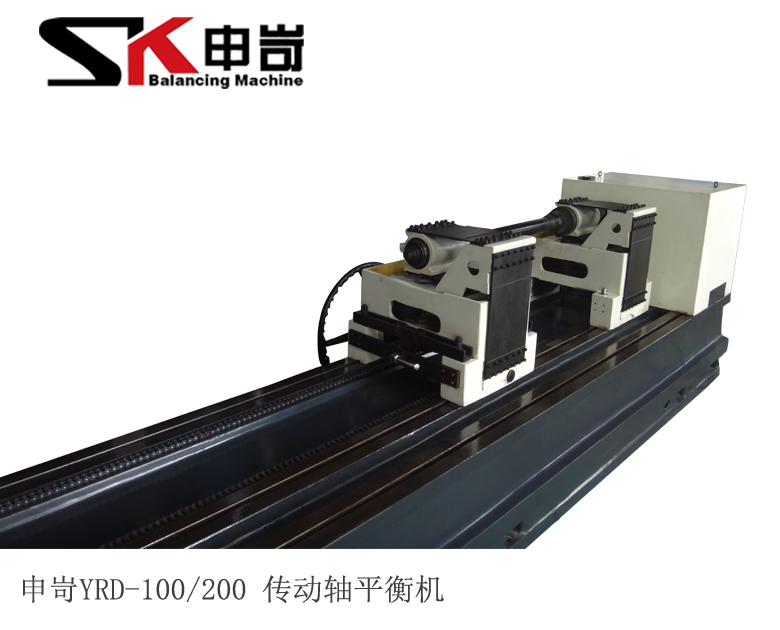
Belt-drive two-plane balancing machine with digital display, sized for lathe spindles up to 500 kg.http://www.skbalancing.com
Shanghai Shenke Dynamic Balancing Machine Manufacturing Co., Ltd. -
AuthorPosts

- You must be logged in to reply to this topic.