- This topic is empty.
-
AuthorPosts
-
09/03/2026 at 14:48 #7260
In the age of sustainable architecture and energy-conscious design, modern buildings are no longer just about aesthetic appeal or structural innovation. Energy efficiency has become a cornerstone of contemporary construction, with building systems playing a significant role in reducing operational costs and environmental impact. Among these systems, elevators—particularly elevator traction systems—have evolved dramatically to meet the demands of energy-efficient building design.
Elevator traction systems are the heart of vertical transportation in high-rise buildings. Unlike hydraulic elevators, which rely on pressurized fluid to move the car, traction elevators use a motor-driven pulley and steel ropes or belts to lift and lower the elevator car. While traditional traction elevators have long been preferred for their speed, smoothness, and reliability, modern innovations have focused on optimizing their energy consumption without compromising performance. This article delves into the principles, technologies, and advantages of energy-efficient elevator traction systems, highlighting why they are indispensable for modern high-rise structures.
Understanding Elevator Traction Systems
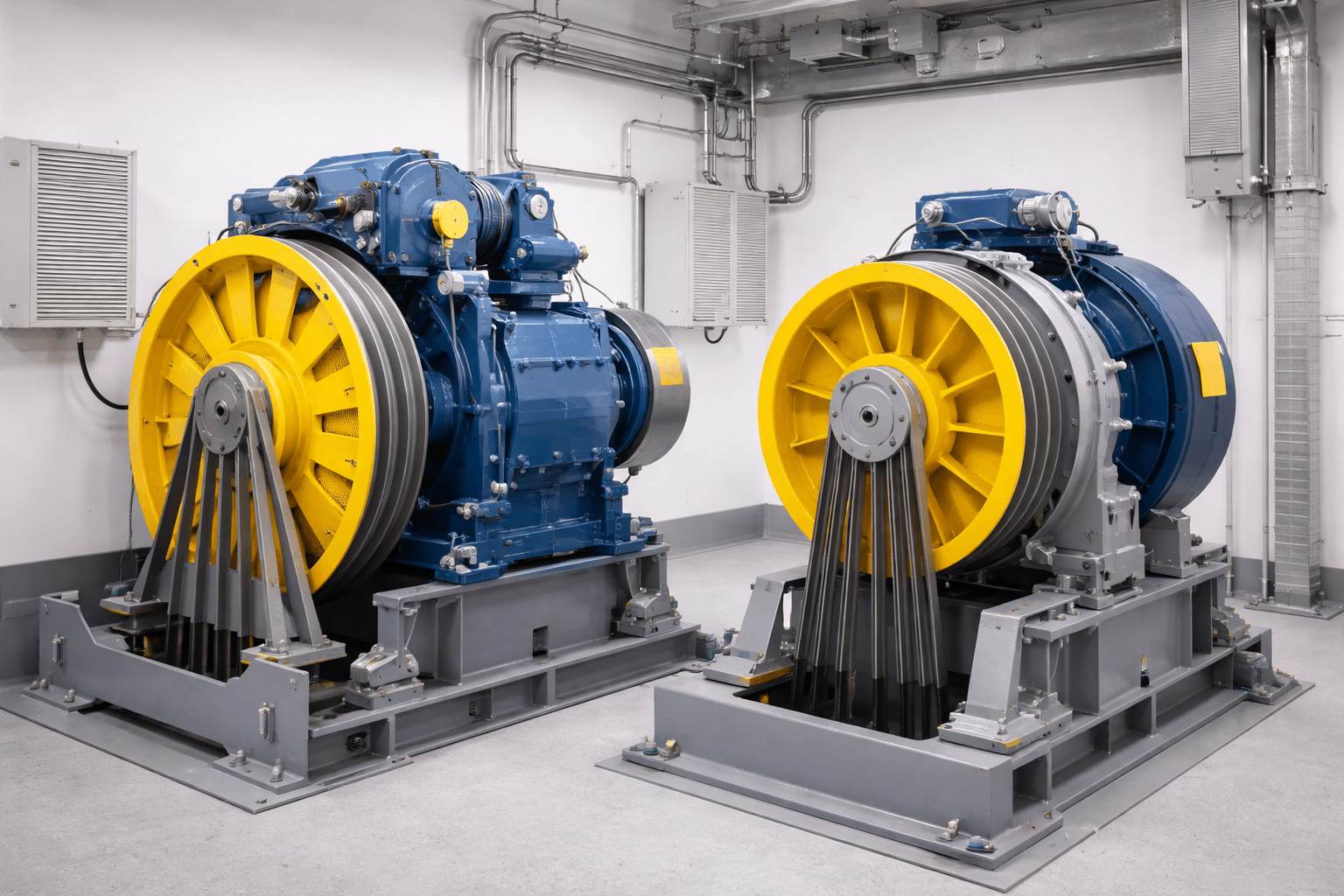
Before exploring energy efficiency, it is essential to understand how elevator traction systems work. In a conventional traction system, an electric motor turns a sheave (pulley), which moves the steel ropes attached to the elevator car and counterweight. The counterweight balances the car, reducing the energy required to lift the load. Depending on the design, traction systems can be geared or gearless:
-
Geared Traction Systems: Utilize a reduction gearbox between the motor and sheave. They are generally suitable for mid-rise buildings, providing good performance at moderate speeds.
-
Gearless Traction Systems: The motor directly drives the sheave, eliminating the gearbox. These systems are typically used in high-rise buildings where high speed, smooth operation, and energy efficiency are critical.
Modern energy-efficient elevators often adopt gearless traction technology, as it reduces mechanical losses, improves control, and enables regenerative energy capture.
Why Energy Efficiency Matters in Elevator Systems
Elevators are among the largest energy consumers in high-rise buildings, accounting for up to 10% of a building’s total electricity usage in some cases. The operational cost is influenced by several factors:
-
Building Height and Traffic Load: High-rise buildings with frequent elevator use require substantial energy.
-
Motor Efficiency: Older motors may consume excessive power, especially during start-stop cycles.
-
Braking and Heat Loss: Traditional resistive braking converts kinetic energy into heat, wasting potential energy.
The push for sustainable architecture has made energy-efficient elevator traction systems essential for:
-
Reducing operational costs
-
Meeting green building certifications such as LEED or BREEAM
-
Minimizing carbon footprint in urban environments
By integrating energy-saving technologies, building owners can achieve a dual benefit: lower energy bills and a positive environmental impact.
Technologies Enabling Energy-Efficient Traction Systems
Several technological innovations contribute to energy efficiency in modern elevator traction systems. These include:
1. Regenerative Drives
One of the most impactful innovations is regenerative drive technology. Traditional elevators dissipate excess energy during braking as heat through resistors. Regenerative systems, however, convert this energy back into electricity, which can be fed into the building’s power grid or reused for other elevators. For instance:
-
During downward travel with a full load or upward travel with a light load, the motor acts as a generator.
-
The recovered energy can offset lighting, HVAC, or other building systems.
This technology can reduce elevator energy consumption by up to 30–40%, depending on usage patterns.
2. High-Efficiency Motors
Modern traction elevators employ high-efficiency permanent magnet synchronous motors (PMSM). These motors offer several benefits:
-
Reduced electrical losses compared to induction motors
-
Higher torque at lower speeds, which reduces energy consumption during start-up
-
Compact design, allowing smaller machine rooms and reduced material usage
By replacing traditional motors with PMSM or other energy-efficient designs, building operators can achieve substantial long-term savings.
3. Intelligent Control Systems
Energy-efficient elevator traction systems also integrate smart control algorithms to optimize operation:
-
Destination Control Systems (DCS): These systems group passengers based on destination floors, reducing unnecessary stops and improving travel efficiency.
-
Load-Based Speed Adjustment: Elevators adjust acceleration and deceleration based on the car load, minimizing energy waste.
-
Idle Energy Management: Elevators enter energy-saving modes during low traffic periods, dimming lights, and reducing ventilation.
4. LED Lighting and Energy-Saving Components
While not directly related to traction mechanics, energy-efficient cab lighting, ventilation, and displays complement the overall system efficiency. LEDs, motion sensors, and low-power communication panels reduce auxiliary energy consumption, which can account for 10–15% of total elevator energy usage.
Advantages of Energy-Efficient Elevator Traction Systems
Investing in energy-efficient traction systems brings a range of benefits for building owners, occupants, and the environment:
1. Lower Energy Costs
Regenerative drives and efficient motors directly reduce electricity consumption. For high-rise buildings with multiple elevators operating 24/7, this translates into significant cost savings annually.
2. Reduced Carbon Footprint
Green building standards increasingly require energy-conscious vertical transportation. Energy-efficient traction systems contribute to reduced CO2 emissions, helping buildings qualify for certifications like LEED Gold or Platinum.
3. Improved Ride Comfort and Performance
Energy-efficient elevators often incorporate gearless traction, advanced control algorithms, and smoother acceleration/deceleration curves. The result is a quieter, more comfortable ride with minimal vibration.
4. Extended Component Lifespan
Advanced traction systems reduce mechanical stress on motors, gears, and brakes. Intelligent control systems also prevent excessive start-stop cycles, contributing to longer-lasting components and lower maintenance costs.
5. Flexibility and Future-Proofing
Modern energy-efficient traction systems are compatible with IoT monitoring, predictive maintenance, and building automation systems. This allows building managers to track energy usage, detect anomalies, and optimize performance over time.
Choosing the Right Energy-Efficient Traction System
Selecting the optimal traction system depends on several factors:
-
Building Height and Traffic Volume:
-
Mid-rise buildings (6–15 floors) may use geared systems with efficiency improvements.
-
High-rise buildings (over 15 floors) benefit more from gearless, energy-regenerative systems.
-
Passenger Load and Usage Patterns:
-
High traffic buildings like offices, hospitals, or hotels require destination control and load-based optimization.
-
Budget and ROI:
-
While high-efficiency systems may have a higher upfront cost, energy savings, reduced maintenance, and longer lifespan provide excellent long-term ROI.
-
Compliance and Certification:
-
Ensure the system meets local safety codes, energy efficiency standards, and green building requirements.
-
Supplier Expertise:
-
Choose manufacturers with proven track records in gearless traction systems, regenerative drives, and intelligent elevator controls.
Case Studies: Energy-Efficient Traction Systems in Action
Example 1: Modern Office Tower
A 35-floor office tower implemented gearless traction elevators with regenerative drives. The elevators reduced electricity consumption by 38% annually, with payback achieved within 5 years. Occupants reported smoother rides and quieter operation, demonstrating both operational and experiential benefits.
Example 2: Sustainable Residential Complex
In a mixed-use residential complex, elevators were equipped with destination control and load-based speed adjustments. Energy consumption decreased by 25%, while LED lighting and low-power displays further contributed to sustainability goals. The complex achieved LEED Gold certification for vertical transportation efficiency.
Future Trends in Energy-Efficient Elevator Traction Systems
The elevator industry continues to innovate with energy and performance in mind:
-
Smart IoT Integration: Predictive maintenance, energy analytics, and real-time monitoring optimize system efficiency and reduce downtime.
-
Maglev and Cable-Free Elevators: Emerging technologies like magnetic levitation promise zero friction, eliminating mechanical losses entirely.
-
Ultra-High-Speed Elevators: For skyscrapers over 300 meters, energy efficiency becomes crucial as travel distances increase.
-
Advanced Regenerative Solutions: Future systems may store regenerated energy in building batteries or feed microgrids, enhancing building-wide sustainability.
Conclusion
Energy-efficient elevator traction systems are no longer optional in modern high-rise architecture—they are a necessity. By combining gearless technology, regenerative drives, intelligent controls, and energy-saving components, these systems dramatically reduce energy consumption, operating costs, and environmental impact.
For building owners, investors, and facility managers, choosing the right energy-efficient traction system not only provides financial benefits but also ensures compliance with evolving green building standards. As technology continues to advance, elevators will play a pivotal role in shaping sustainable, efficient, and comfortable urban environments.
Modern buildings demand intelligent vertical transportation solutions. Investing in energy-efficient elevator traction systems is an investment in sustainability, efficiency, and future-proof infrastructure.
http://www.xinlinelevator.com
xinlinelevator -
-
AuthorPosts

- You must be logged in to reply to this topic.