- This topic is empty.
-
AuthorPosts
-
13/08/2026 at 10:07 #8598
In industries where electrical equipment must withstand vibration, moisture, dust, temperature changes, and electromagnetic interference, connector reliability is essential. A connector failure can interrupt communication, reduce equipment performance, or even cause critical systems to shut down. For this reason, MIL-DTL-38999 Series II connectors remain widely used in aerospace, defense, industrial automation, rail transportation, and other demanding applications.
Designed for reliable performance in challenging environments, these connectors combine a compact structure with environmental protection, secure mechanical coupling, and dependable electrical transmission. Compared with many conventional circular connectors, they offer improved resistance to vibration, contamination, corrosion, and other factors that can affect long-term system stability.
As electrical and electronic systems become more sophisticated, equipment manufacturers and system integrators are placing greater emphasis on rugged interconnect solutions. Choosing the right connector can help improve equipment durability, reduce maintenance requirements, and maintain reliable operation throughout the service life of the system.
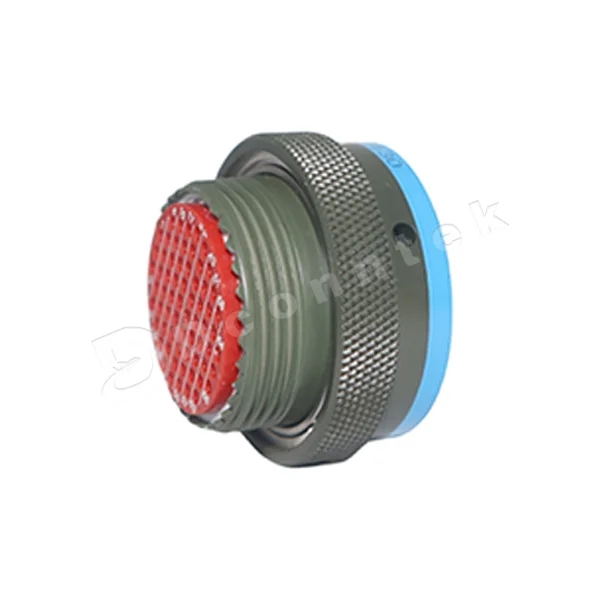
What Are MIL-DTL-38999 Series II Connectors?
MIL-DTL-38999 is a military specification covering a family of high-performance electrical connectors originally developed for demanding aerospace and defense applications. Series II connectors are known for their compact configuration, bayonet coupling system, lightweight construction, and high-density contact arrangements.
They are designed for equipment that must continue operating despite mechanical stress and harsh environmental conditions. Typical applications include:
-
Military vehicles and electronic defense systems
-
Aircraft avionics and communication equipment
-
Naval electronics
-
Industrial automation machinery
-
Energy and exploration equipment
-
Railway and transportation systems
Their space-efficient construction allows engineers to integrate multiple electrical connections into compact equipment. At the same time, their rugged design helps protect electrical interfaces against environmental conditions that could otherwise lead to premature connector failure.
Common Causes of Connector Failure in Harsh Environments
Electrical connectors can gradually lose performance when repeatedly exposed to mechanical and environmental stress. Understanding these factors is important when selecting a connector for demanding equipment.
Continuous Vibration and Mechanical Shock
Aircraft, industrial machinery, heavy vehicles, and other equipment can generate significant vibration and mechanical shock. Repeated movement may eventually affect contact stability, coupling performance, or signal continuity.
A connector designed for demanding applications needs to maintain secure engagement even when subjected to continuous mechanical stress.
Moisture and Corrosive Conditions
Water, humidity, salt spray, and industrial chemicals can accelerate corrosion of connector contacts and housing materials. As corrosion develops, electrical resistance can increase and connection reliability may decline.
Effective sealing and suitable material selection are therefore important for equipment installed outdoors, near the sea, or in industrial environments.
Dust, Sand, and Other Contaminants
Industrial facilities, military environments, and outdoor equipment may be exposed to dust, sand, oil, and other contaminants. If these materials enter an inadequately protected connector interface, they can interfere with electrical contact and insulation performance.
A properly sealed connector helps reduce the risk of contamination-related failures.
Temperature Fluctuations
Electrical systems may operate across a wide temperature range. High temperatures can accelerate material degradation, while low temperatures can affect the flexibility and performance of sealing components.
Connector materials and construction must therefore be selected according to the actual operating temperature range of the application.
Electromagnetic Interference
Communication, control, and high-speed electronic systems can be affected by electromagnetic interference. Poor shielding may result in signal degradation, communication errors, or unstable equipment performance.
For this reason, connector shielding and grounding characteristics should be considered when designing systems that operate in electrically noisy environments.
Key Features of MIL-DTL-38999 Series II Connectors
Secure Bayonet Coupling
The bayonet coupling system is one of the most recognizable characteristics of Series II connectors. It allows connectors to be mated and locked quickly while providing reliable mechanical retention.
This is particularly useful in environments where connectors may experience vibration, shock, or repeated maintenance operations. Compared with some threaded connection designs, bayonet coupling can also make installation and field servicing more convenient.
For aerospace and military equipment, where maintenance time and connection reliability are both important, this type of coupling can provide practical advantages.
Reliable Environmental Protection
Protection against environmental contamination is a major consideration in harsh-environment connector design.
MIL-DTL-38999 Series II connectors incorporate sealing features intended to help protect the connection interface from conditions such as:
-
Water and moisture
-
Dust and other particles
-
Salt spray
-
Hydraulic fluids
-
Certain industrial chemicals
Effective environmental protection helps prevent contamination from reaching the electrical contacts and supports more consistent performance over time.
Compact and High-Density Construction
As electronic equipment becomes smaller while incorporating more functions, available installation space is increasingly limited.
Series II connectors allow a relatively large number of contacts to be arranged within compact connector configurations. This enables engineers to optimize panel space and reduce unnecessary equipment volume while still accommodating signal and power connections.
Such characteristics are useful in applications including:
-
Aircraft avionics
-
Unmanned platforms
-
Portable defense electronics
-
Industrial control equipment
-
Compact electronic systems
Corrosion Resistance
Material selection and surface treatment have a direct influence on connector service life. Rugged connector designs typically use suitable shell materials and protective finishes to improve resistance to corrosion and environmental exposure.
This becomes particularly important for marine equipment, offshore installations, outdoor systems, and other applications exposed to humidity or salt.
EMI and Shielding Considerations
Electromagnetic compatibility is an important part of modern system design. In applications involving sensitive signals or multiple electronic devices operating close together, effective connector shielding can help limit unwanted electromagnetic interference.
Series II connector configurations can be incorporated into systems where shielding and signal integrity are important, including avionics, communications, radar-related equipment, and industrial control systems.
Applications in Demanding Industries
Aerospace and Aviation
Aircraft electronics must operate reliably despite vibration, temperature variation, pressure changes, and limited installation space. Connectors used in avionics therefore need to provide both mechanical durability and stable electrical performance.
MIL-DTL-38999 Series II connectors can be used in applications such as:
-
Flight control systems
-
Navigation equipment
-
Engine monitoring
-
Aircraft communication systems
-
Avionics modules
Their compact structure and rugged construction make them suitable for applications where both weight and reliability are important.
Defense and Military Systems
Military equipment may be exposed to dust, mud, moisture, vibration, impact, and rapid environmental changes. Electrical connections must remain stable even when equipment is operating in difficult field conditions.
Typical applications include:
-
Tactical communication equipment
-
Military ground vehicles
-
Surveillance systems
-
Electronic defense equipment
-
Portable military electronics
A rugged connector solution can help reduce the risk of connection-related interruptions in these applications.
Industrial Automation
Modern factories depend on reliable electrical connections for sensors, controllers, motors, automation equipment, and communication systems.
Industrial equipment can expose connectors to vibration, oil, humidity, dust, and elevated temperatures. Using appropriately designed circular connectors can improve connection stability and help reduce unplanned maintenance.
Railway and Transportation
Railway equipment operates under continuous vibration and may also be exposed to outdoor weather conditions. Connectors used in transportation systems must therefore provide reliable electrical performance over long operating cycles.
Potential applications include:
-
Train control systems
-
Signaling equipment
-
Passenger information systems
-
Monitoring systems
-
Power-related equipment
Durable interconnect solutions can help reduce maintenance interruptions and support the reliability of transportation systems.
Why Custom Connector Solutions Matter
Standard connector specifications provide an important starting point, but not every application has identical installation conditions or performance requirements. Some systems require customized connector configurations, cable assemblies, contact arrangements, or other modifications.
This is where engineering and manufacturing experience becomes especially valuable.
Dconntek focuses on custom connector and cable assembly solutions for demanding applications. By evaluating factors such as equipment structure, environmental exposure, electrical requirements, and installation limitations, customized interconnect solutions can be developed to better match the actual operating environment.
For systems where downtime may affect production, transportation, communication, or equipment safety, selecting a connector based on real application requirements can provide advantages over relying solely on a standard configuration.
What Should Engineers Consider When Selecting Series II Connectors?
Selecting a MIL-DTL-38999 Series II connector requires more than simply choosing an appropriate shell size. Several factors should be evaluated during the design stage.
Operating Environment
First, identify the environmental conditions the connector will encounter. Consider exposure to:
-
Water and humidity
-
Dust and sand
-
Salt spray
-
Chemicals and oils
-
High or low temperatures
-
Continuous vibration
These conditions influence the required sealing, materials, finishes, and connector configuration.
Electrical Performance
The electrical characteristics of the connector should match the system requirements. Important considerations include:
-
Voltage requirements
-
Current capacity
-
Number and type of contacts
-
Signal integrity
-
Shielding requirements
Choosing an appropriate contact configuration is essential for reliable power and signal transmission.
Mechanical Requirements
Equipment subjected to vibration, shock, or frequent movement requires strong mechanical retention and durable connector construction.
The coupling mechanism, shell design, cable arrangement, and mounting method should all be considered together.
Installation Space
Compact equipment may have strict limitations on panel and internal space. High-density connector configurations can help engineers accommodate more connections without significantly increasing the overall equipment footprint.
Maintenance and Serviceability
For systems requiring regular inspection or field servicing, connector mating and unmating characteristics should also be considered. A suitable quick-connect design can simplify maintenance and reduce service time.
Reliable Connectors Can Reduce Long-Term Operating Costs
The purpose of a rugged connector is not simply to provide an electrical connection. It must continue performing reliably throughout repeated exposure to environmental and mechanical stress.
A more reliable interconnect solution can help reduce:
-
Unexpected equipment downtime
-
Maintenance requirements
-
Connection-related failures
-
Replacement frequency
-
Signal and communication problems
In mission-critical applications, connector reliability can also contribute to overall equipment safety and operational continuity.
Therefore, connector selection should be viewed as part of the overall system reliability strategy rather than as an isolated component decision.
Conclusion
MIL-DTL-38999 Series II connectors are designed to meet the demanding requirements of applications where ordinary connectors may not provide sufficient protection or mechanical reliability. Their compact construction, bayonet coupling, environmental protection, corrosion resistance, high contact density, and shielding capabilities make them suitable for aerospace, defense, industrial automation, railway, and other harsh-environment applications.
As electronic systems become increasingly compact and complex, the reliability of every interconnect becomes more important. Selecting a connector based on actual environmental, electrical, mechanical, and installation requirements can help improve system stability and extend equipment service life.
With experience in custom connector and cable assembly manufacturing, Dconntek provides tailored interconnect solutions for demanding applications. By combining engineering support with manufacturing capabilities, the company helps customers develop connector solutions focused on reliable performance, consistent quality, and long-term operation in challenging environments.
http://www.dconntek.com
Dconntek -
-
AuthorPosts

- You must be logged in to reply to this topic.