- This topic is empty.
-
AuthorPosts
-
17/08/2026 at 15:01 #8648
In commercial truck suspension systems, small components often determine the overall durability of the vehicle. Among them, the japanese truck u bolt plays a critical role by securing the leaf spring pack to the axle assembly. Although it is relatively inexpensive compared to other suspension parts, improper material selection, inaccurate dimensions, or insufficient clamping force can lead to spring movement, axle misalignment, accelerated tire wear, and even suspension failure.
For fleet operators, aftermarket distributors, and OEM manufacturers working with Japanese trucks such as Isuzu, Hino, Mitsubishi Fuso, Nissan Diesel (UD Trucks), and Toyota commercial vehicles, selecting the correct japanese truck u bolt requires much more than matching dimensions. Material properties, manufacturing precision, heat treatment, corrosion resistance, and installation requirements all directly influence long-term performance.
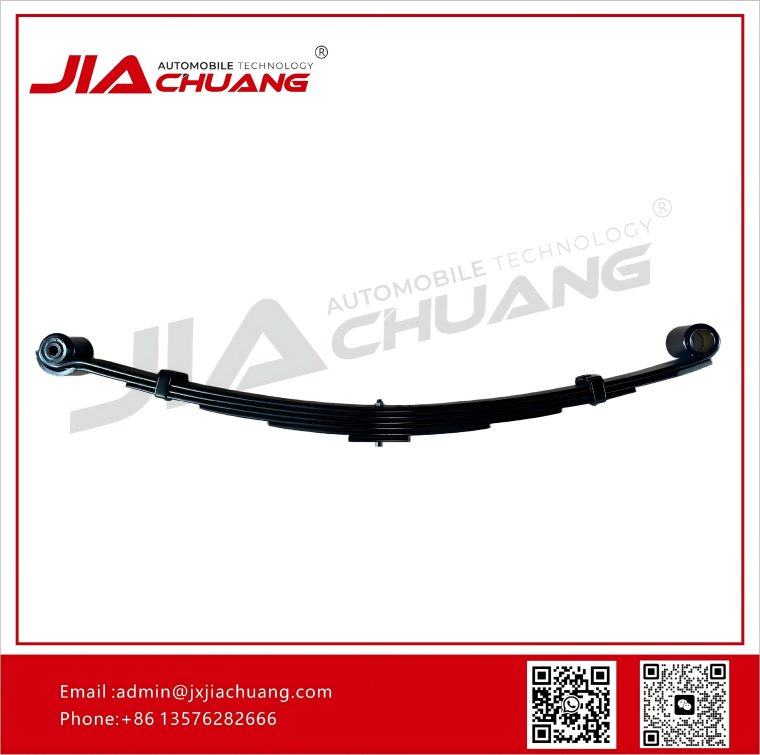
This article explains the engineering considerations behind a reliable Japanese truck U bolt and what buyers should evaluate before placing an order.
Why the Japanese Truck U Bolt Is Critical in Suspension Systems
A leaf spring suspension relies on U bolts to generate the clamping force that locks the spring pack and axle together. During vehicle operation, this connection experiences continuous loads from:
-
Heavy cargo weight
-
Braking force
-
Cornering force
-
Road vibration
-
Impact from uneven road surfaces
-
Repeated compression and rebound cycles
Unlike ordinary fasteners, a japanese truck u bolt operates under constant dynamic loading. Every acceleration, braking event, or pothole subjects the bolt to tensile stress and fatigue loading.
If the clamping force decreases over time, the leaf spring can shift slightly on the axle seat. Even minimal movement gradually enlarges locating holes, damages spring seats, and causes steering instability.
For commercial trucks operating over hundreds of thousands of kilometers, maintaining consistent preload is one of the primary goals of U bolt design.
Typical Specifications of Japanese Truck U Bolts
Although dimensions vary according to vehicle models, Japanese truck suspension systems commonly use U bolts with specifications such as:
Parameter Typical Range Diameter M16–M30 Rod Material 40Cr, 35CrMo, SAE1541, 42CrMo Tensile Strength Grade 8.8, 10.9 or higher Surface Finish Black oxide, Zinc plating, Dacromet, Geomet, Hot-dip galvanizing Thread Type Metric fine thread Bend Radius Tolerance ±0.5 mm or tighter Hardness HRC 28–38 (depending on material) Japanese truck manufacturers generally require tighter dimensional tolerances than many standard aftermarket suspension components. Even a small deviation in bend width or thread length can complicate installation or reduce clamping efficiency.
Material Selection Makes the Biggest Difference
The material determines both strength and fatigue life.
For light commercial vehicles, medium carbon steel may provide adequate performance.
For medium-duty and heavy-duty Japanese trucks, alloy steels are usually preferred.
40Cr
40Cr offers an excellent balance between strength, toughness, and cost. After quenching and tempering, it provides stable mechanical performance suitable for many regional transport applications.
Typical applications include:
-
Light-duty trucks
-
Medium cargo vehicles
-
Urban logistics fleets
35CrMo
35CrMo provides higher fatigue resistance and impact toughness.
It performs well under:
-
Heavy loading
-
Long-distance transportation
-
Mountain roads
-
Construction vehicles
42CrMo
42CrMo is commonly selected for premium suspension components because of its excellent fatigue strength and wear resistance.
Advantages include:
-
Higher yield strength
-
Better crack resistance
-
Longer service life under cyclic loading
-
Improved resistance to overload
The material choice should always match the expected operating conditions instead of simply selecting the highest strength available.
Manufacturing Precision Determines Installation Quality
A high-quality japanese truck u bolt depends on several tightly controlled manufacturing processes.
Cold Forming
Cold bending maintains continuous metal grain flow through the curved section.
Compared with excessive hot bending, properly controlled cold forming generally improves fatigue performance while maintaining dimensional consistency.
Thread Rolling
Rolled threads are significantly stronger than cut threads because the metal fibers remain continuous.
Benefits include:
-
Higher fatigue life
-
Better thread surface finish
-
Greater tensile capacity
-
Reduced crack initiation
For commercial suspension systems subjected to millions of vibration cycles, rolled threads have become the preferred manufacturing method.
Heat Treatment
Proper quenching and tempering optimize:
-
Tensile strength
-
Toughness
-
Yield strength
-
Elastic recovery
Insufficient heat treatment can cause permanent deformation after installation, while excessive hardness increases brittleness.
The optimal balance is essential for long-term suspension reliability.
Surface Protection Extends Service Life
Commercial trucks often operate under harsh environmental conditions.
Typical exposure includes:
-
Rain
-
Snow
-
Coastal salt
-
Mud
-
Chemical agents
-
High humidity
Surface treatment directly affects corrosion resistance.
Zinc Plating
Suitable for general transportation environments with moderate corrosion exposure.
Dacromet Coating
Provides significantly improved corrosion resistance without hydrogen embrittlement.
Ideal for:
-
Coastal transportation
-
High-humidity regions
-
Long-haul trucks
Geomet Coating
Offers even better environmental performance and superior corrosion protection while complying with modern automotive environmental standards.
Hot-Dip Galvanizing
Best suited for extremely corrosive environments but generally requires consideration of coating thickness and dimensional tolerances.
Selecting the correct coating can substantially extend maintenance intervals and reduce replacement costs.
AuthorPostsViewing 1 post (of 1 total)- You must be logged in to reply to this topic.
-
