- This topic is empty.
-
AuthorPosts
-
24/08/2026 at 16:05 #8755
As minimally invasive procedures continue to replace open surgery across multiple clinical disciplines, the demand for energy systems that deliver precision without excessive collateral damage has increased significantly. Traditional thermal technologies, including standard electrosurgery and laser systems, often present a compromise between cutting efficiency and tissue preservation. The Plasma Ablation System addresses this challenge by introducing a fundamentally different mechanism of tissue interaction—one that prioritizes control, selectivity, and predictable outcomes.
Plasma ablation technology has gained particular attention in vascular, ENT, spine, and soft tissue interventions, where anatomical precision and postoperative recovery are critical success factors.
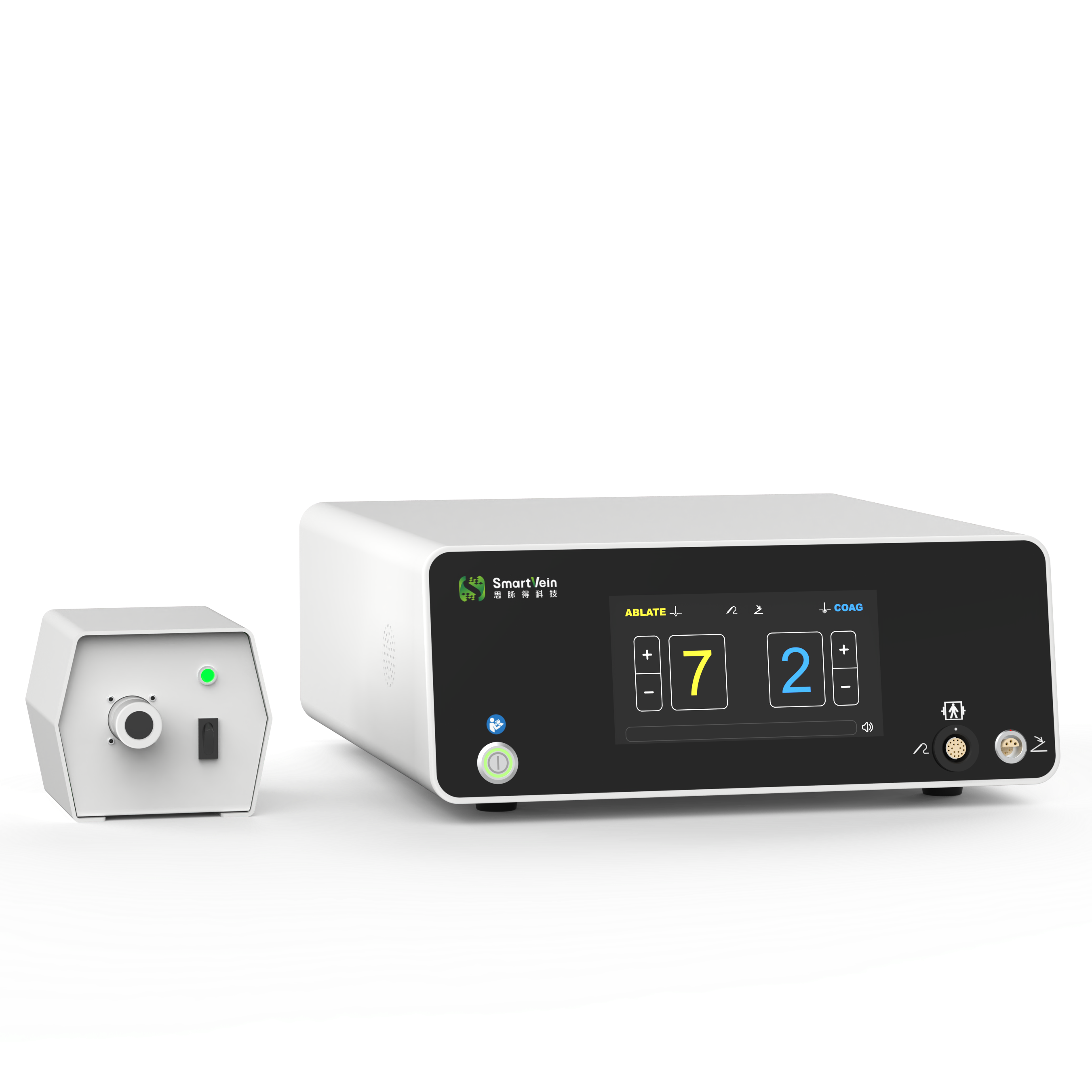
Understanding the Plasma Ablation System
A Plasma Ablation System is a medical energy platform designed to ablate biological tissue through a localized plasma field rather than bulk thermal transfer. The system typically consists of a plasma energy generator, specialized probes or catheters, and integrated control modules that regulate energy output in real time.
When activated, radiofrequency energy ionizes a conductive medium at the probe tip, creating a plasma layer capable of breaking molecular bonds within tissue. This process allows tissue removal at relatively low operating temperatures compared with conventional thermal devices, significantly reducing unwanted heat diffusion.
How Plasma Ablation Achieves Controlled Tissue Removal
Unlike traditional cutting or coagulation methods, plasma ablation works at the molecular level. The energized plasma particles disrupt organic tissue structures directly, rather than relying on high temperatures to burn or vaporize tissue. As a result, ablation depth remains consistent and predictable, even in delicate anatomical regions.
This mechanism also minimizes carbonization and surgical smoke, improving visibility during procedures and enabling more precise operator control. These characteristics make plasma ablation systems particularly suitable for procedures requiring fine manipulation near nerves, vessels, or functional tissue.
Clinical Advantages of Plasma Ablation Technology
One of the most significant advantages of a Plasma Ablation System is its ability to balance effectiveness with tissue preservation. Lower thermal spread reduces postoperative inflammation and pain, contributing to faster patient recovery and shorter hospital stays.
From a clinical workflow perspective, plasma ablation systems provide stable energy delivery that adapts to tissue impedance in real time. This consistency enhances procedural confidence and reduces variability between operators, an increasingly important consideration in standardized interventional care.
Applications Across Modern Medical Specialties
In vascular and venous interventions, plasma ablation systems enable controlled modification of targeted tissue while preserving surrounding vessel structures. This precision aligns well with the clinical objectives of minimally invasive venous therapies, where long-term vessel integrity is essential.
SmartVein Group has focused extensively on plasma-based solutions for vascular applications, integrating clinical feedback into system design to improve consistency, safety, and procedural efficiency.
In ENT surgery, plasma ablation is commonly applied to soft tissue reduction procedures where mucosal preservation is critical. By limiting thermal injury, surgeons can achieve symptom relief while maintaining normal tissue function.
Spine and orthopedic interventions also benefit from plasma ablation technology, particularly in minimally invasive disc decompression procedures. The ability to selectively remove nucleus material without damaging adjacent structures makes plasma ablation a preferred choice in appropriately indicated cases.
SmartVein Group’s Clinical-Oriented System Design
SmartVein Group approaches Plasma Ablation Systems with a strong emphasis on clinical usability rather than raw power output. System architecture is designed to deliver stable plasma generation, ergonomic instrument handling, and intuitive energy modulation.
By aligning engineering decisions with real procedural workflows, SmartVein Group ensures that its plasma ablation systems integrate smoothly into existing interventional environments. Regulatory compliance, system reliability, and long-term performance consistency remain central to the company’s development strategy.
Safety, Monitoring, and Energy Control
Modern Plasma Ablation Systems incorporate advanced safety mechanisms to ensure predictable operation under varying clinical conditions. Real-time impedance monitoring allows the system to adjust energy output dynamically, reducing the risk of unintended tissue damage.
Temperature feedback and automated power regulation further enhance procedural safety, supporting consistent ablation performance across different patient profiles and tissue types.
Why Plasma Ablation Systems Are Becoming Standard Equipment
Global adoption of plasma ablation technology is driven by several converging trends, including the expansion of outpatient procedures, increased emphasis on faster recovery, and growing scrutiny of thermal injury-related complications. As clinical expectations evolve, energy platforms that deliver precision with reduced trauma are increasingly favored.
Plasma ablation systems are no longer niche solutions; they are becoming integral components of advanced interventional toolsets worldwide.
Conclusion: Precision Energy for the Next Generation of Care
The Plasma Ablation System represents a significant step forward in energy-based medical technology. By enabling controlled, low-temperature tissue ablation, it supports safer procedures, improved clinical outcomes, and enhanced patient recovery.
Through its clinically driven design philosophy and advanced energy control capabilities, SmartVein Group continues to contribute meaningfully to the evolution of plasma ablation technology, supporting healthcare providers in delivering precise and effective minimally invasive care.
https://www.smartveingroups.net/smart-energy-safer-outcomes-the-role-of-plasma-ablation-systems.html
http://www.smartveingroups.net
SmartVein (Jiaxing) Medical Technology Co., Ltd. -
AuthorPosts

- You must be logged in to reply to this topic.