- This topic is empty.
-
AuthorPosts
-
21/09/2026 at 10:39 #9076
For modern construction projects, doors and windows need to do more than complete the appearance of a building. They also affect indoor comfort, energy performance, durability, noise control, and the overall design of the project. As these requirements continue to increase, Thermal Break Aluminum Doors and Windows are becoming an important option for residential and commercial buildings.
For architects, contractors, project developers, and building material distributors, understanding the basic structure and advantages of thermal break systems can help when comparing different products and suppliers.
How Do Thermal Break Aluminum Doors and Windows Work?
Aluminum is a popular material for doors and windows because it is strong, lightweight, durable, and suitable for many different designs. However, aluminum is also a good conductor of heat. Without additional insulation, heat can pass relatively easily through the metal frame.
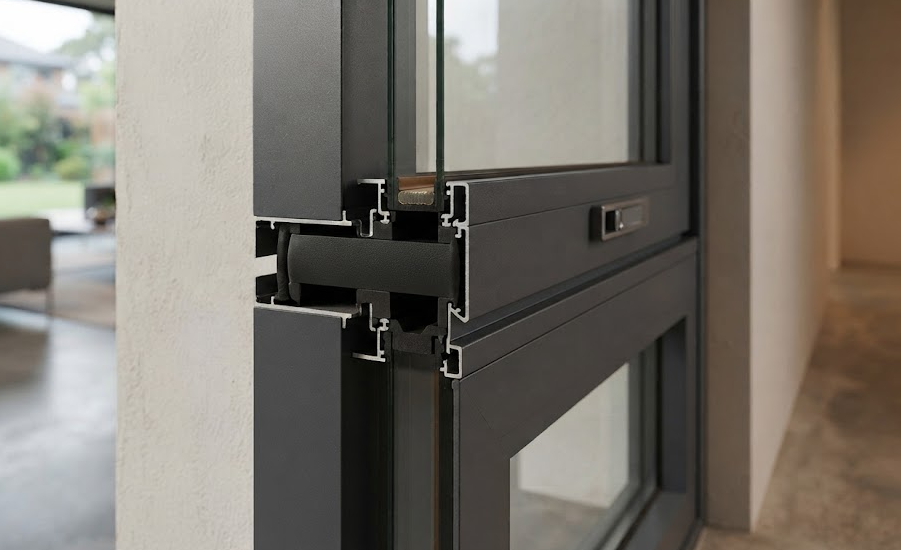
Thermal break technology addresses this issue by placing an insulating material between the interior and exterior aluminum sections. Instead of creating one continuous metal path, the system separates the two sides and reduces direct heat transfer.
This design can improve the thermal performance of the frame and help create a more comfortable indoor environment.
For example, PINZAO provides 6063-T5 thermal break aluminum swing doors with thermal strips. The system combines the strength and clean appearance of aluminum with a design intended to improve insulation performance.
Look at the Whole Door and Window System
One common mistake when purchasing doors and windows is to focus only on the aluminum profile. In practice, the final performance depends on several components working together.
A complete system may include:
-
Aluminum profile and frame structure
-
Thermal break material
-
Glass configuration
-
Weather seals
-
Door and window hardware
-
Drainage structure
-
Manufacturing precision
-
Installation quality
Glass is another major part of the system. Depending on the project, buyers may consider double glazing, Low-E glass, laminated glass, or other configurations.
The right choice can vary according to the local climate, building orientation, noise conditions, safety requirements, and desired energy performance. This is why comparing the complete system is usually more useful than comparing aluminum profiles alone.
Main Benefits of Thermal Break Aluminum Systems
The growing use of thermal break aluminum products is closely related to the changing requirements of modern buildings.
1. Improved Thermal Performance
The insulating section between the aluminum profiles helps reduce heat transfer through the frame. This can contribute to more stable indoor temperatures and improve the overall performance of the building envelope.
2. Better Indoor Comfort
Doors and windows are important points between indoor and outdoor environments. A well-designed thermal break system can reduce the effect of temperature differences around the frame and help create a more comfortable interior.
3. Strong and Durable Construction
Aluminum offers a useful combination of strength and relatively low weight. It can withstand everyday use and different environmental conditions, making it suitable for long-term residential and commercial applications.
4. More Design Options
Modern aluminum systems can be produced in different sizes, colors, finishes, glass combinations, and opening styles. This gives architects and project owners more flexibility when matching doors and windows with the building's overall design.
5. Suitable for Different Building Types
Thermal break systems can be used in many types of projects, including villas, apartments, offices, hotels, commercial buildings, and other modern developments where appearance and performance both matter.
Why Customization Matters in Large Projects
There is no single door and window configuration that works for every building. Project dimensions, architectural styles, climate conditions, glass requirements, and hardware preferences can all be different.
For this reason, customization is an important consideration when selecting a supplier.
Depending on the project, buyers may need to customize:
-
Door and window dimensions
-
Opening direction and style
-
Glass type and configuration
-
Aluminum color and surface finish
-
Hardware
-
Thermal break structure
-
Overall system design
Good communication is equally important. Before production starts, the buyer and supplier should confirm drawings, dimensions, materials, hardware, surface treatment, packaging, delivery requirements, and installation details.
This can help reduce misunderstandings during production and make project installation more efficient.
Choosing the Right Thermal Break Aluminum Supplier
Product specifications are important, but the supplier's manufacturing and project experience should also be considered.
An experienced manufacturer can often provide support beyond basic production, including product customization, technical communication, design assistance, quality control, packaging, and project coordination.
PINZAO Doors & Windows is based in Foshan, Guangdong, a major manufacturing area for aluminum doors and windows in China. Its product range includes doors, windows, and curtain wall systems, with OEM, ODM, and OBM services available.
According to the company's information, PINZAO has participated in more than 500 large-scale domestic and international projects and serves customers in different overseas markets. Its team includes designers and production personnel who can support projects from design and customization through manufacturing and installation.
For buyers looking for custom Thermal Break Aluminum Doors and Windows, these capabilities can be useful when dealing with projects that require specific sizes, finishes, glass combinations, or system configurations.
What Should Buyers Check Before Ordering?
Before placing an order, buyers can consider several basic questions:
-
Does the thermal break system match the project's climate and performance requirements?
-
What type of glass is included?
-
Are the hardware and sealing systems suitable for the intended application?
-
Can the supplier provide customized sizes and finishes?
-
Are product drawings and specifications available before production?
-
How does the supplier handle quality inspection and packaging?
-
Can the manufacturer provide support for installation or project coordination?
Looking at these details together gives buyers a clearer picture of the actual product rather than relying on one specification.
Conclusion
Thermal Break Aluminum Doors and Windows combine the structural advantages of aluminum with an insulating barrier designed to reduce heat transfer. Their performance, however, depends on more than the thermal break itself. Glass, seals, hardware, drainage, manufacturing quality, and installation all contribute to the final result.
For modern construction projects, the right solution should balance thermal performance, durability, appearance, customization, and practical project requirements. By evaluating the complete system and working with an experienced manufacturer, buyers can make a more informed decision and select doors and windows that fit the needs of the building.
https://www.pinzaodw.com/thermal-break-aluminum-doors-and-windows-manufacturer.html
http://www.pinzaodw.com
Foshan Pinzao Doors&Windows Technology Co., Ltd. -
-
AuthorPosts

- You must be logged in to reply to this topic.